Why Biodiversity Matters
Two Islands.
Extraordinary Life.
Real Risk.
Trinidad and Tobago's biodiversity is not an abstraction. It underpins clean water, food security, climate resilience, and the cultural identity of this nation. When ecosystems fail, communities suffer the consequences.
Every ecosystem is a life-support system. Lose the ecosystem, and you lose everything it quietly held together. Biodiversity is not a count of species. It is the web of relationships between them: fungi returning nutrients to soil, bats pollinating fruit trees, mangrove roots sheltering the juvenile fish that sustain coastal livelihoods. Healthy ecosystems deliver things no infrastructure budget can replicate: forests that regulate rainfall, wetlands that absorb floodwaters, reefs that buffer shorelines and support fisheries hundreds of families depend on. These are services rendered for free, every day. Their value only becomes visible when they stop.
In Trinidad and Tobago, the stakes are unusually high. Both islands sit at the convergence of Amazonian and Caribbean biodiversity, producing species richness that far exceeds what their size would suggest. The Northern Range feeds the rivers that supply the north. Nariva holds the last manatees. The Caroni roosts the national bird. These are not symbols; they are functioning parts of a system that communities, economies, and identities are built upon. Protecting them is not conservation for its own sake. It is protecting the conditions that make life on these islands possible.
Key Ecosystems
Key Habitats We Work In
From mangrove coast to montane forest, WEPTT works across T&T's full range of ecosystems. These are some of the most critical.
Northern Range Forests
The spine of Trinidad: a continuous arc of elfin woodland, montane rainforest, and seasonal forest stretching from Chaguaramas to Toco. Covering approximately 36,570 hectares, it forms the island's primary watershed and is recognised by BirdLife International as Important Bird and Biodiversity Area TT001. The range shelters several species found nowhere else on Earth, including the Trinidad Piping-Guan (pawi) and the Trinidad Motmot, alongside hundreds of resident and migratory birds. Forest cover here also moderates the water supply for the entire northern population of Trinidad.
Key Threats
Tobago Forests & Reef
Tobago supports the oldest legally protected forest reserve in the Western Hemisphere (1776) and some of the Caribbean's healthiest coral reefs. Main Ridge, Little Tobago, and the St. Giles Islands form the core of the North-East Tobago UNESCO Biosphere Reserve (2020). Buccoo Reef Marine Park in the southwest and the Speyside reefs near Charlottesville in the northeast represent two of the region's most ecologically significant marine areas. Both forest and reef are under pressure from climate change, unsustainable tourism, and inadequate enforcement.
Key Threats
Nariva Swamp
Trinidad's largest freshwater wetland and a Ramsar Convention site of international importance (No. 577, listed 1992). Designated a BirdLife Important Bird Area for its waterbird diversity. Supports manatees, caimans, anacondas, and an extraordinary range of waterbirds. Threatened by drainage, farming expansion, and invasive species.
Key Threats
Caroni Wetlands
The roosting sanctuary for Trinidad's iconic scarlet ibis, the national bird. A vast mangrove estuary that filters runoff, supports juvenile fish populations, and shields coastlines from storm surge. Designated Ramsar Wetland of International Importance No. 1497 (listed 2005) and a BirdLife Important Bird Area for its globally significant ibis concentration.
Key Threats
Conservation Threats
What We're Up Against
These are not distant problems. They are happening now, across both islands, with real consequences for wildlife, water, and human wellbeing.
Bushfire
Dry season fires tear through forest and scrubland every year across both islands. Some are started deliberately to clear land, others from negligence. The habitat that burns took decades to form and will take decades to return. WEPTT monitors hotspots and works with communities to report fires before they reach protected areas.
Poaching
Wildlife in T&T has legal protection on paper. Enforcing it is a different matter. The Forestry Division covers the entire country with a fraction of the warden capacity it needs, and most incidents go unreported. Community awareness is one of the few things that actually closes that gap.
Habitat Loss
Quarrying, housing encroachment, and coastal development keep eating into the landscapes that hold everything else together. When habitat is fragmented, species become isolated from one another and far less able to weather any of the other pressures on this list.
Bycatch & Entanglement
Marine life throughout T&T waters is caught in fishing gear not intended for it. The solutions exist: gear modification, better training, changed practices. What's missing is the sustained investment to make them standard rather than exceptional.
Environmentally Sensitive Areas and Species
Areas and Species Under Heightened Protection
Trinidad and Tobago's Environmentally Sensitive Areas (ESAs) are designated under the Environmental Management Act for their exceptional biodiversity, ecological function, and scientific significance. Select an area or species to learn more.
Environmentally Sensitive Areas
Environmentally Sensitive Areas are declared under Section 41 of the Environmental Management Act and the ESA Rules (GN 64/2001). Each designation imposes land-use restrictions and development controls across the area. ESAs may be subdivided into Core and Buffer Zones with differing levels of restriction. Three ESAs are currently designated in Trinidad and Tobago.
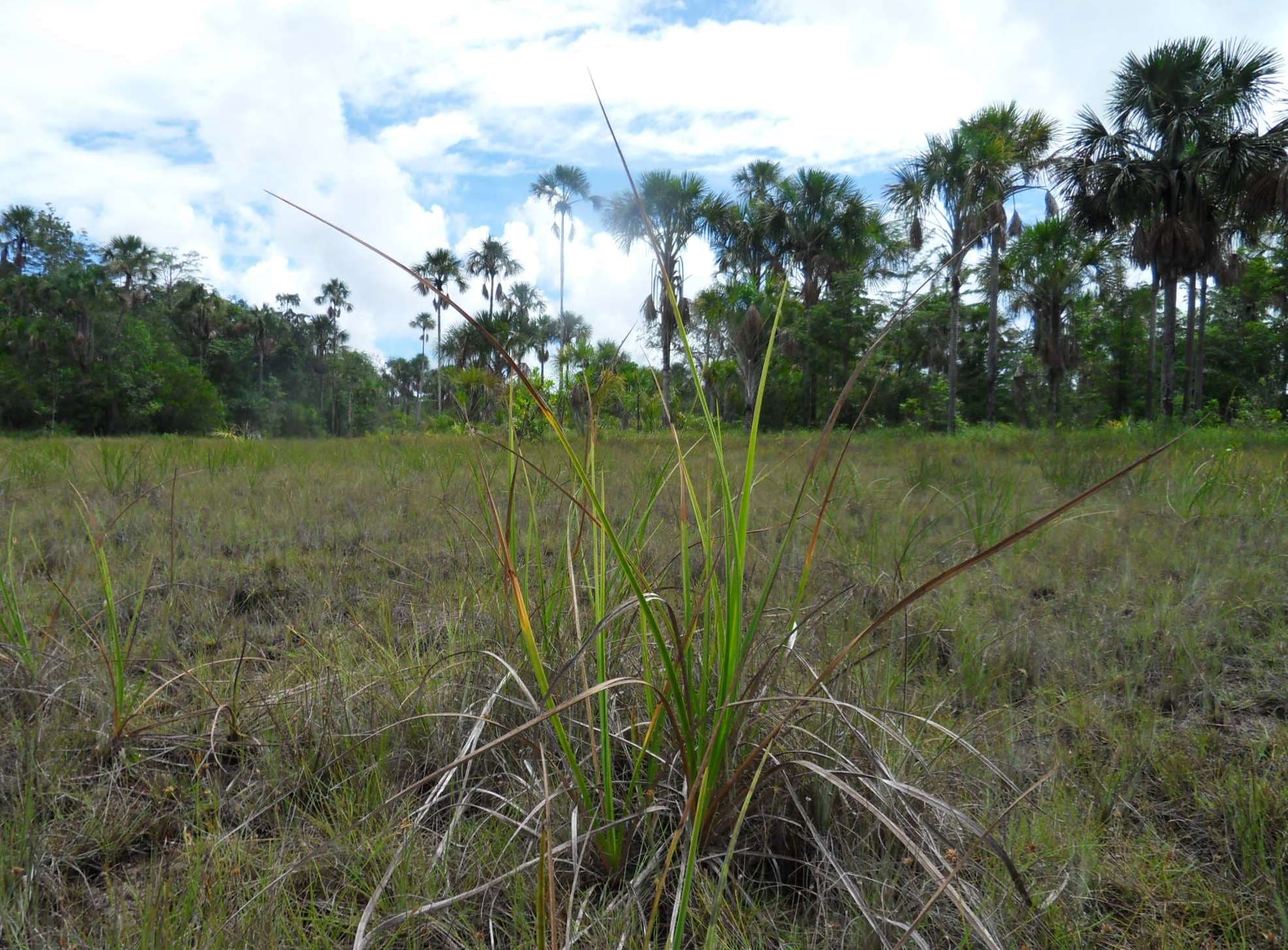
Aripo Savannas
The Aripo Savannas are Trinidad's largest remaining natural savanna, a fire-shaped, edaphically controlled landscape unlike any ot…
Learn more →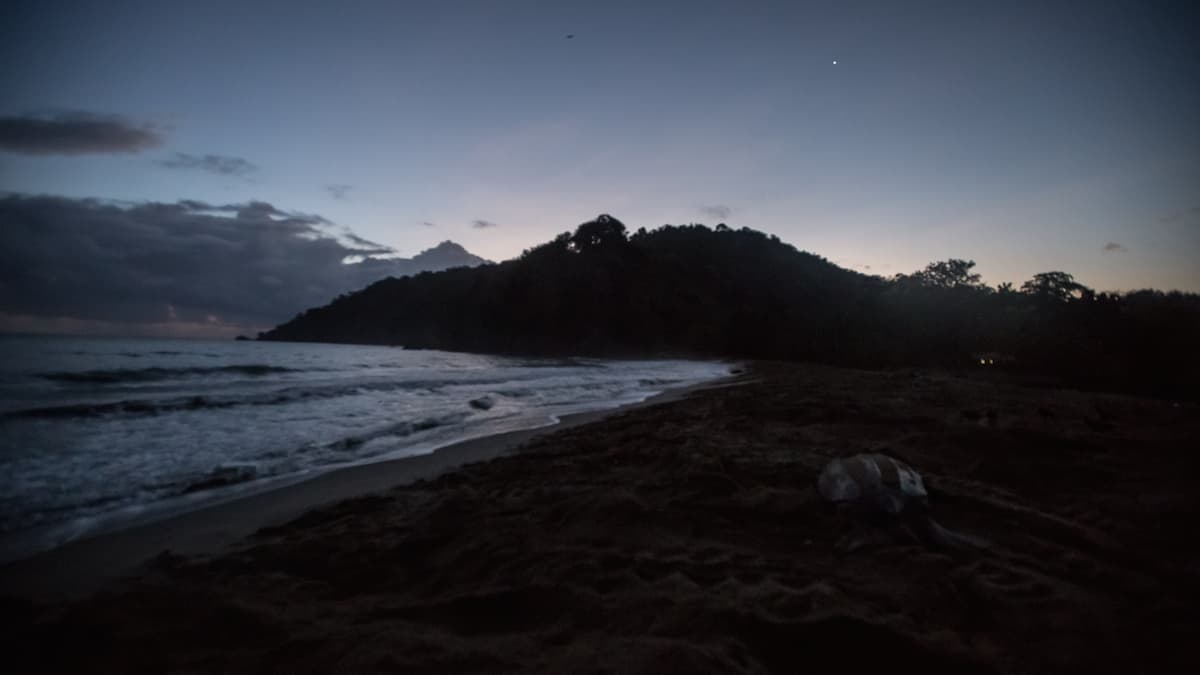
Matura National Park
Matura National Park covers 9,000 hectares of montane rain forest and coastal habitat in northeast Trinidad, declared an Environme…
Learn more →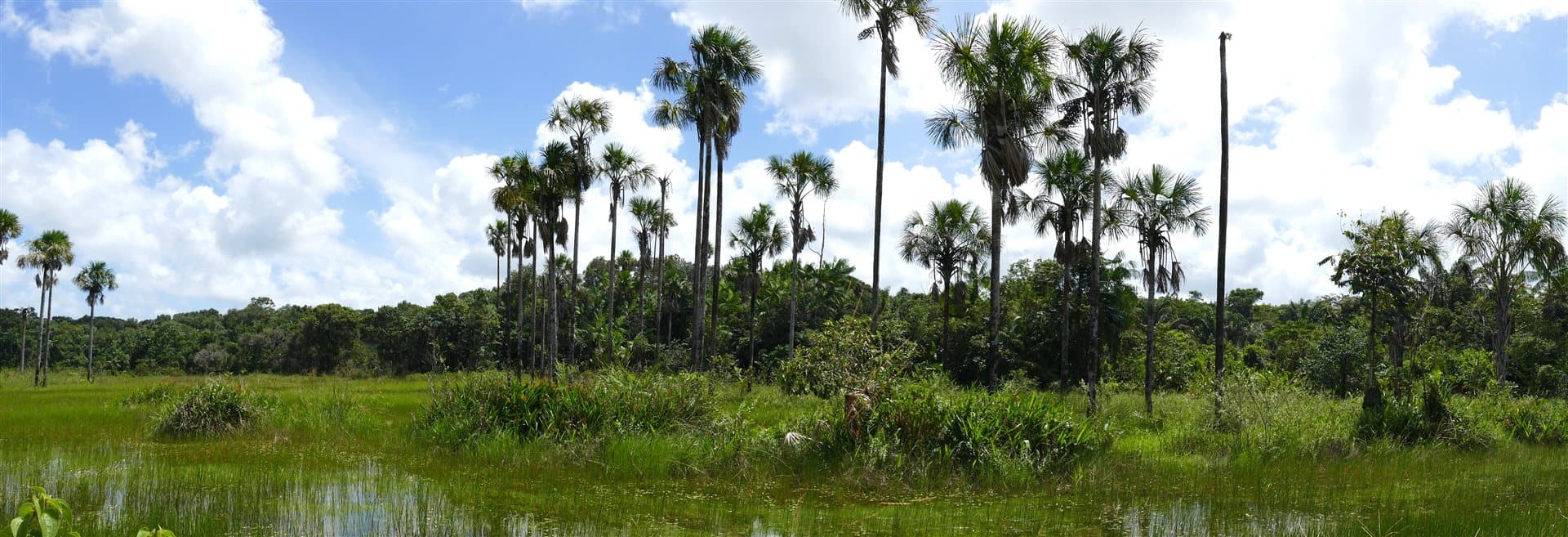
Nariva Swamp
The Nariva Swamp is Trinidad's largest freshwater wetland and one of the most ecologically significant landscapes in the Caribbean…
Learn more →Environmentally Sensitive Species
Under the Environmental Management Act, the EMA may designate individual species as Environmentally Sensitive Species (ESS) by Legal Notice. ESS listing triggers regulatory controls on any activity that may adversely impact that species or its critical habitat.
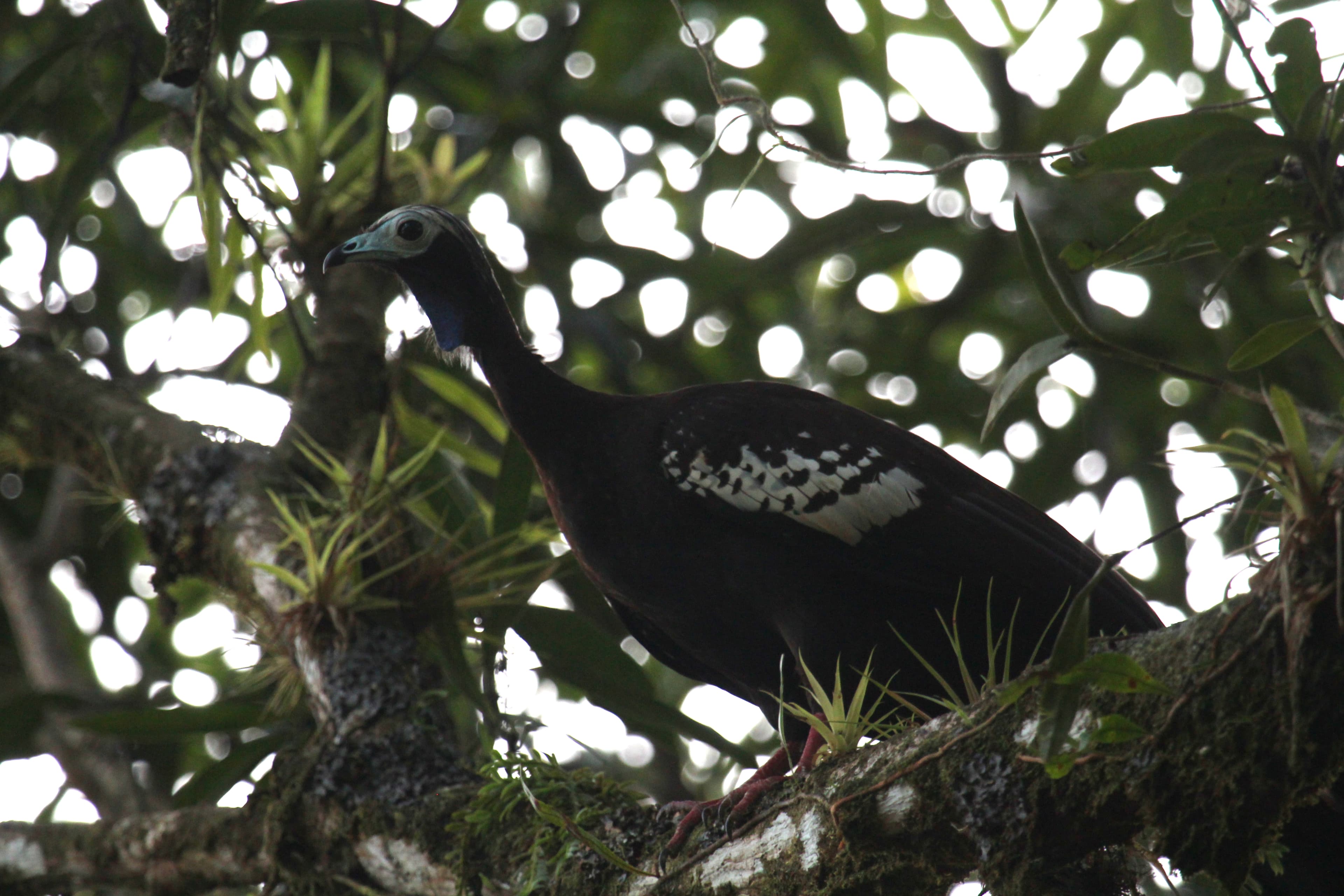
Trinidad Piping-Guan (Pawi)
Pipile pipile
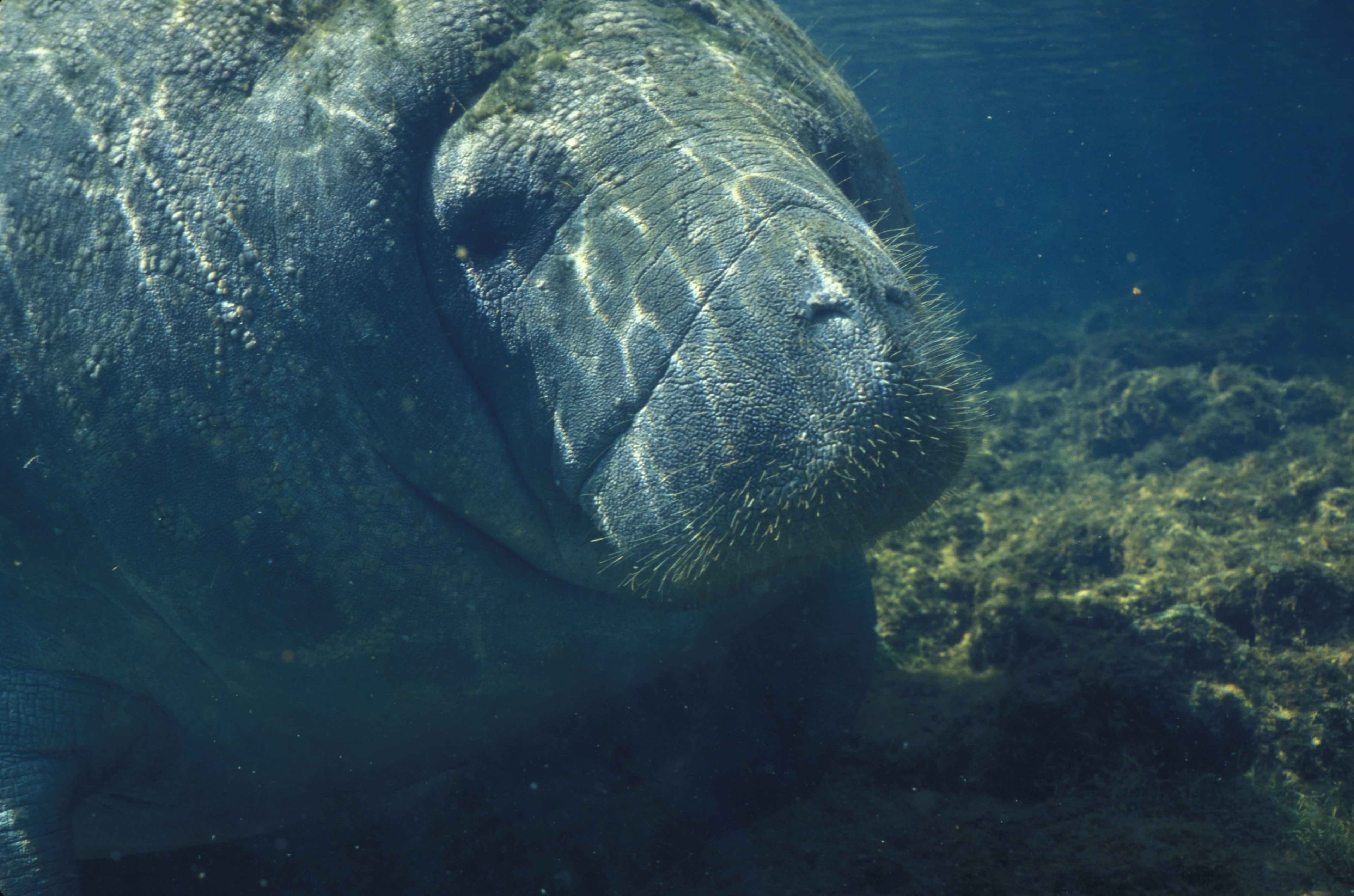
West Indian Manatee
Trichechus manatus
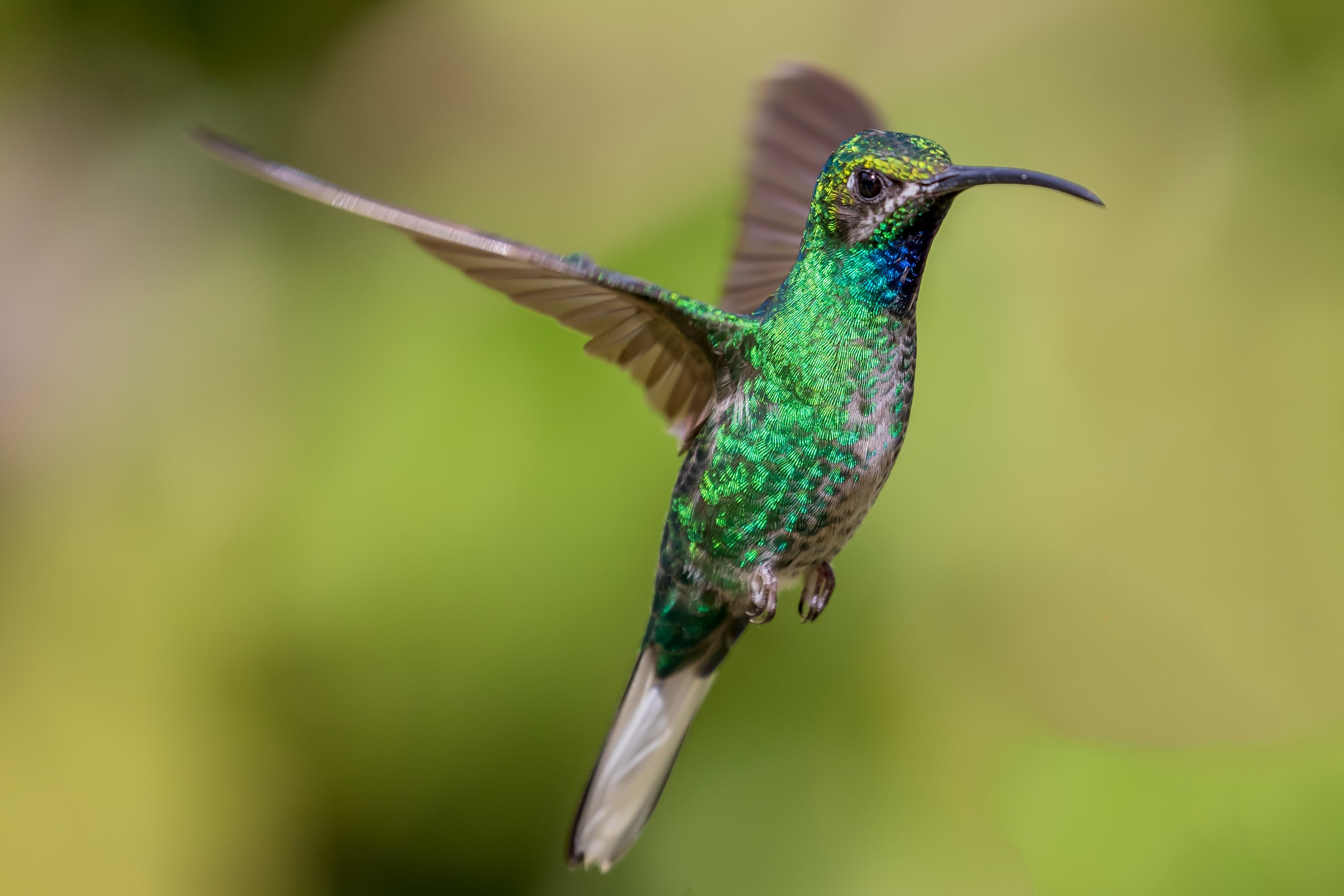
White-tailed Sabrewing
Campylopterus ensipennis
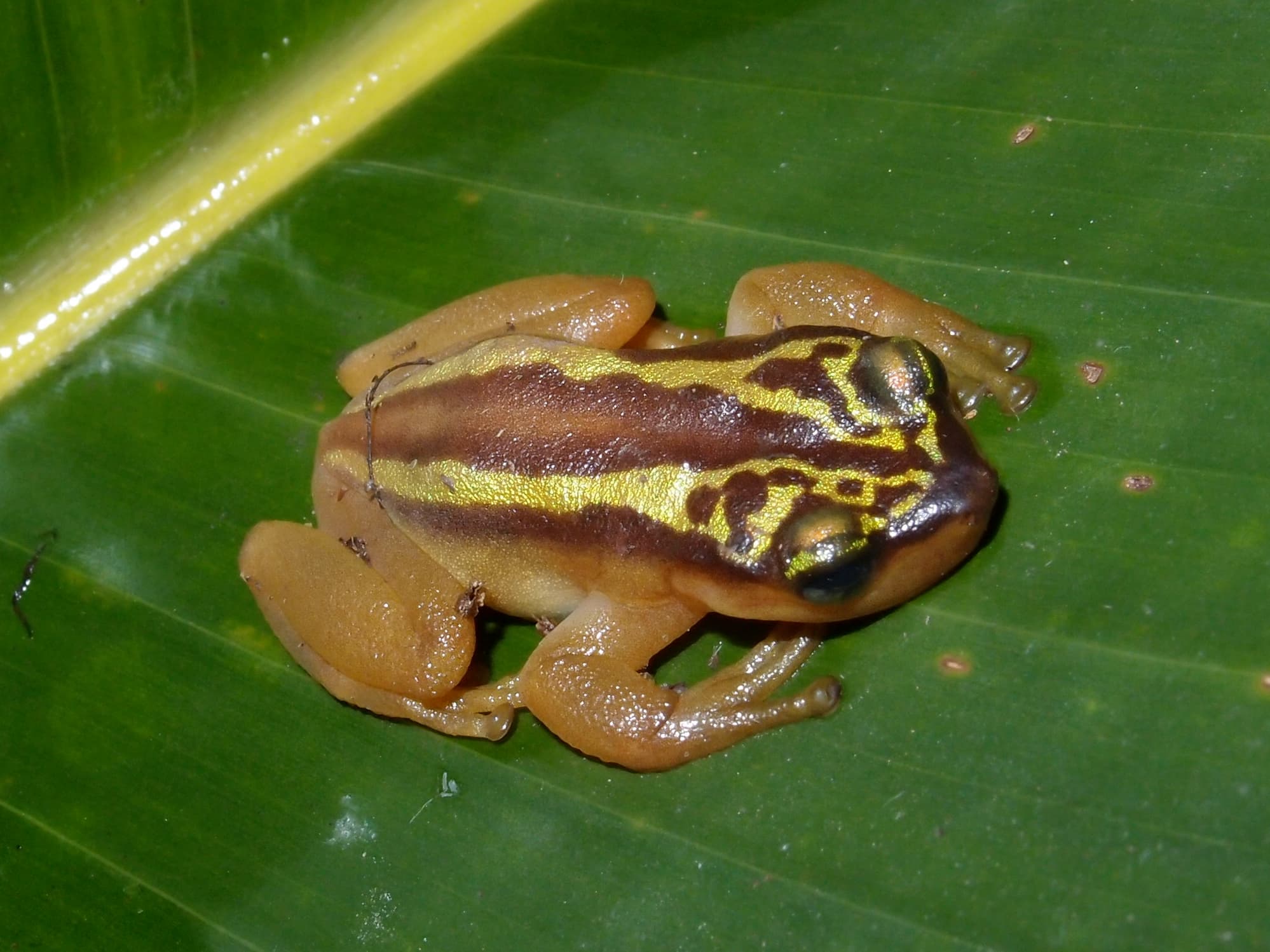
Golden Tree Frog
Phytotriades auratus
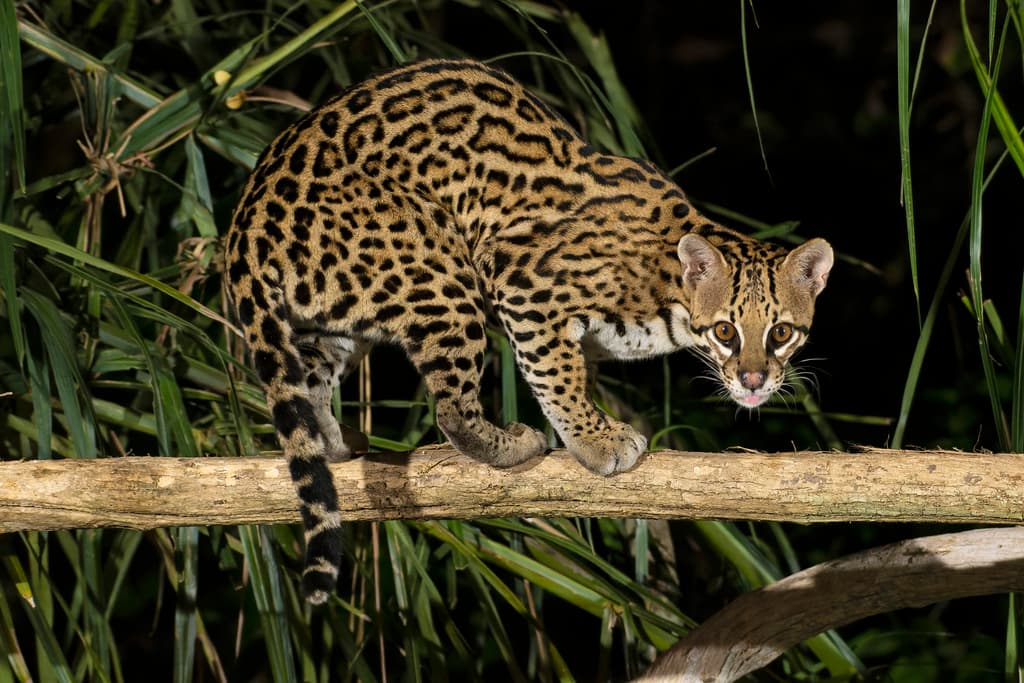
Ocelot
Leopardus pardalis
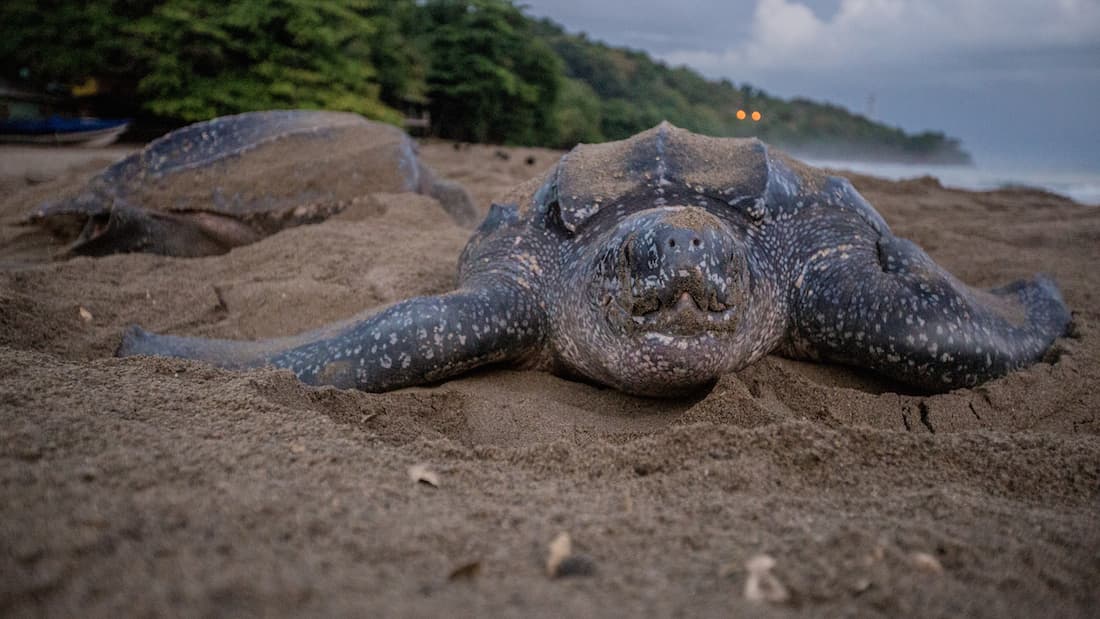
Leatherback Sea Turtle
Dermochelys coriacea
Hawksbill Sea Turtle
Eretmochelys imbricata
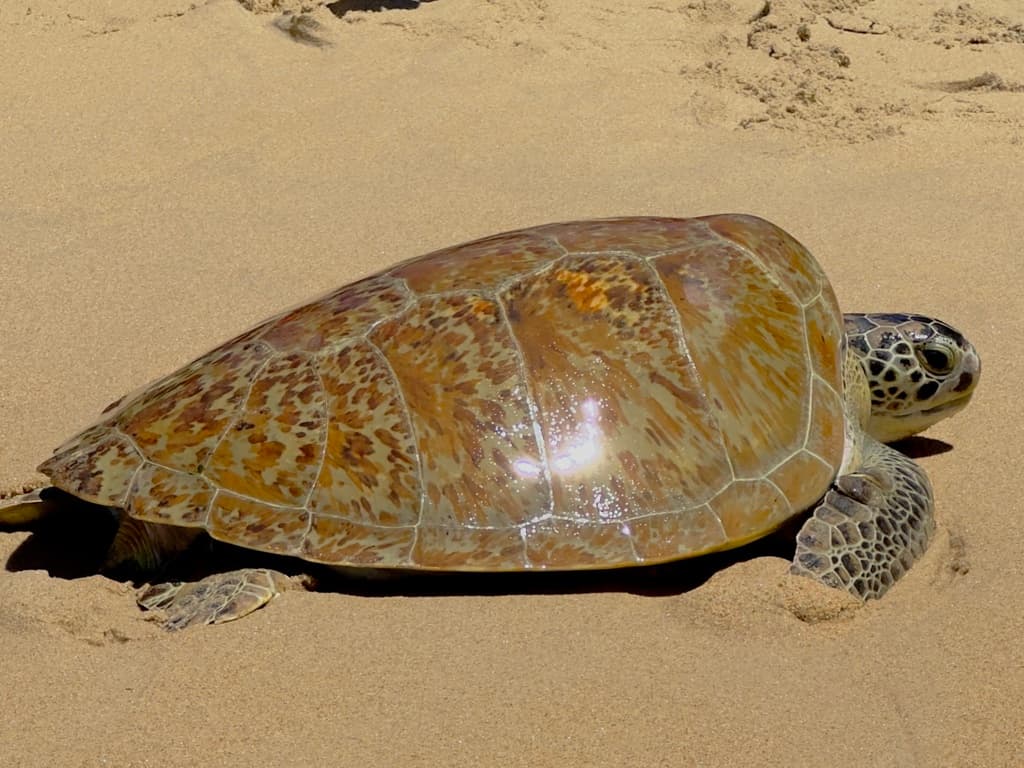
Green Sea Turtle
Chelonia mydas
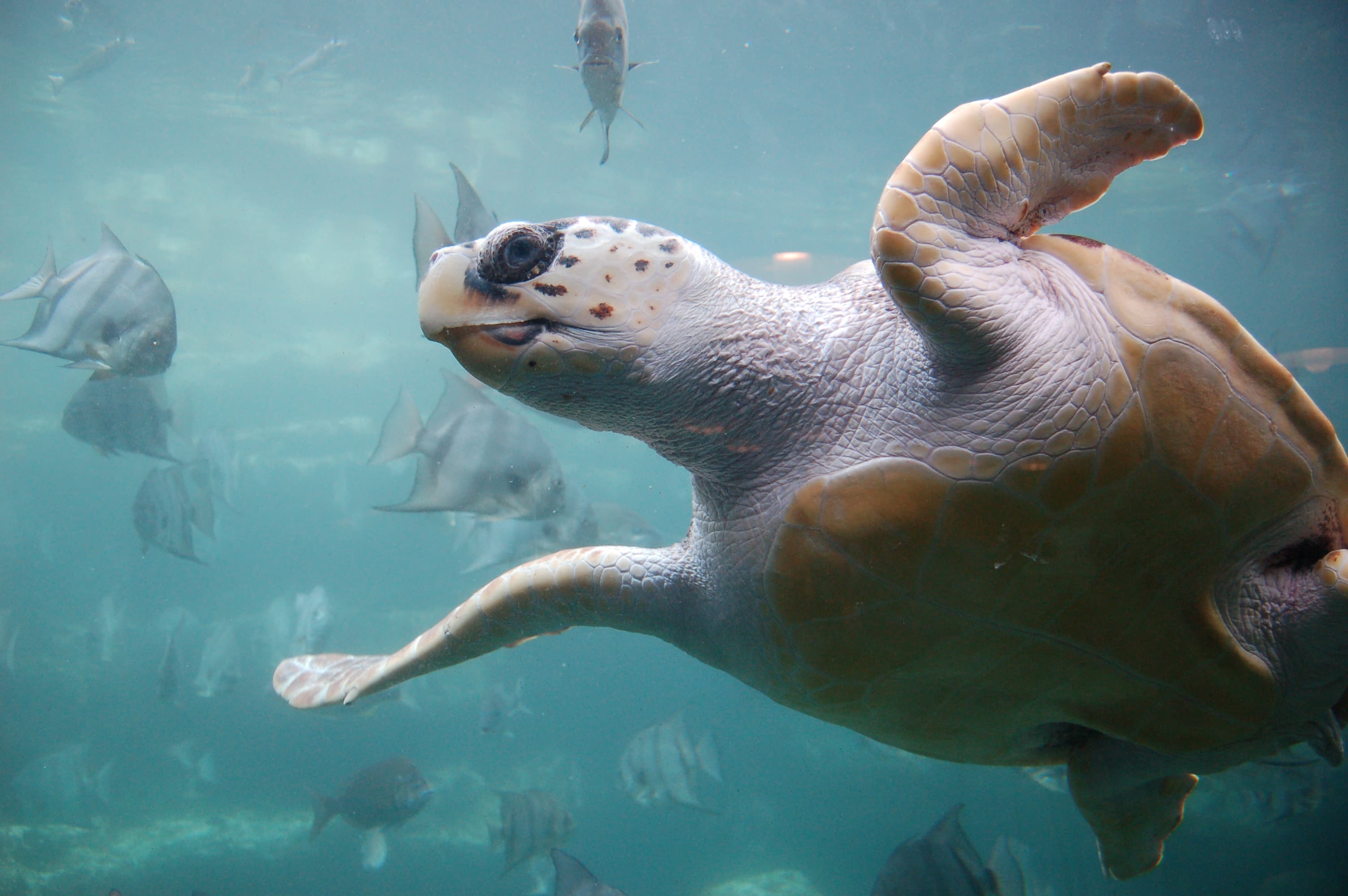
Loggerhead Sea Turtle
Caretta caretta
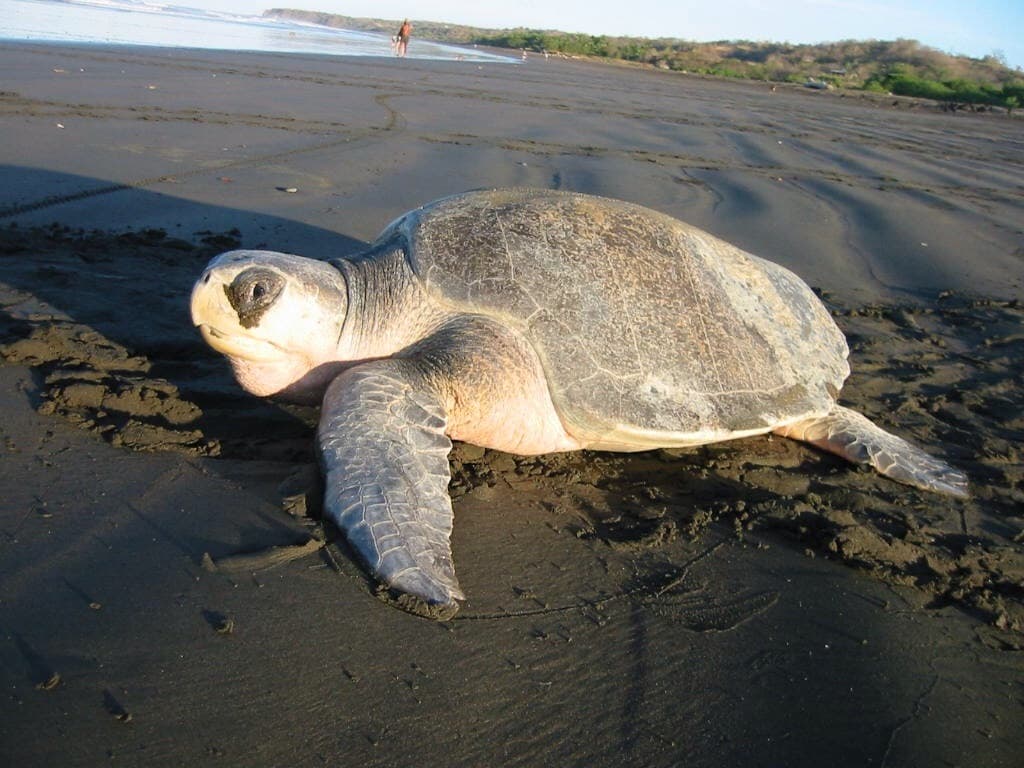
Olive Ridley Sea Turtle
Lepidochelys olivacea
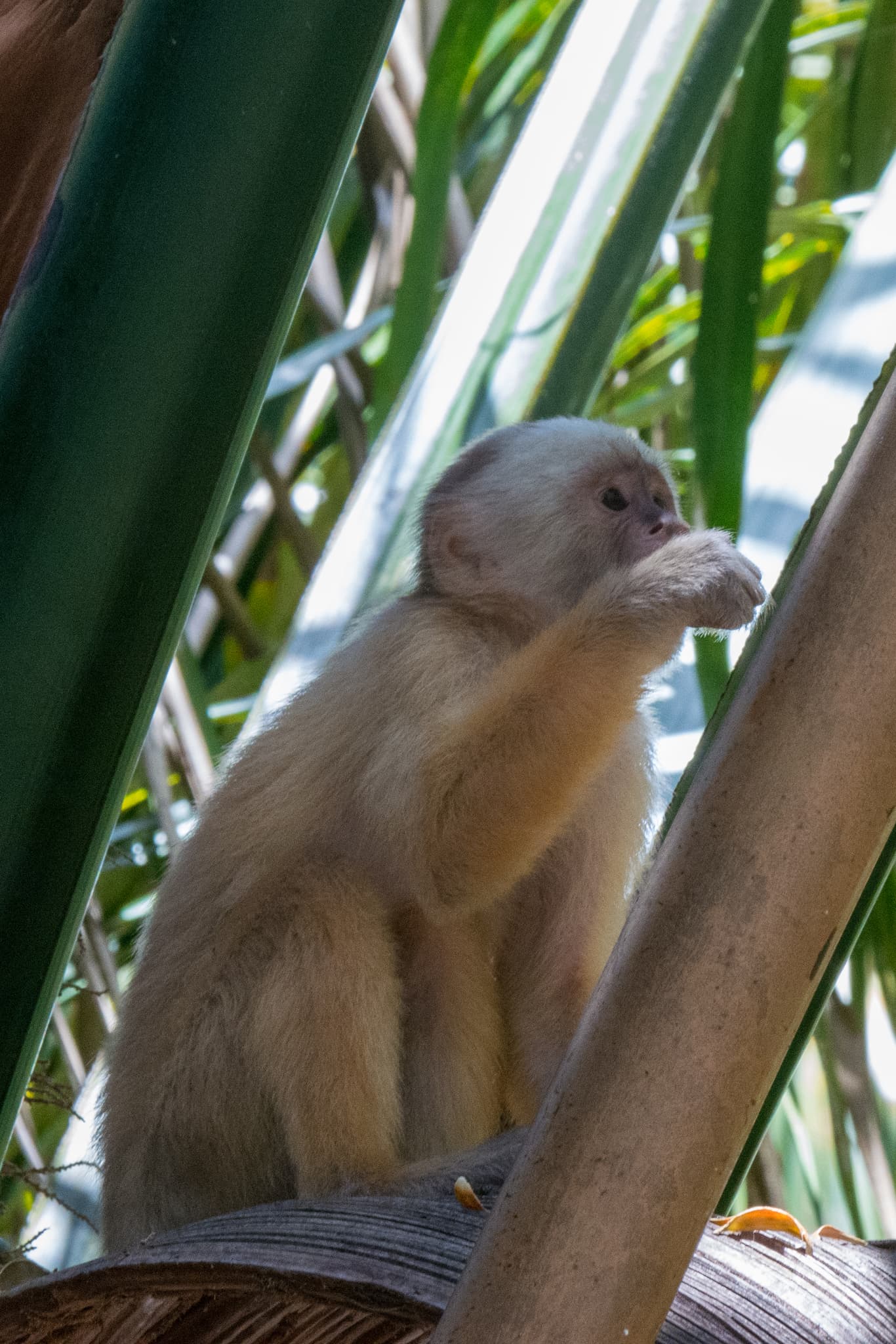
Trinidad White-fronted Capuchin
Cebus albifrons trinitatis
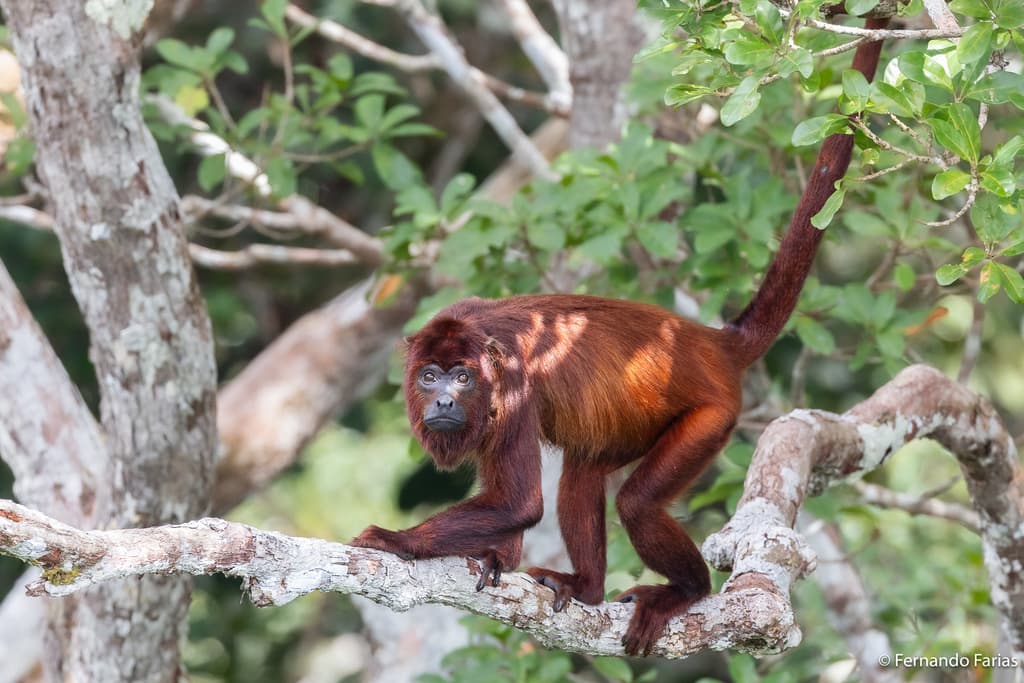
Trinidad Howler Monkey
Alouatta seniculus insulanus
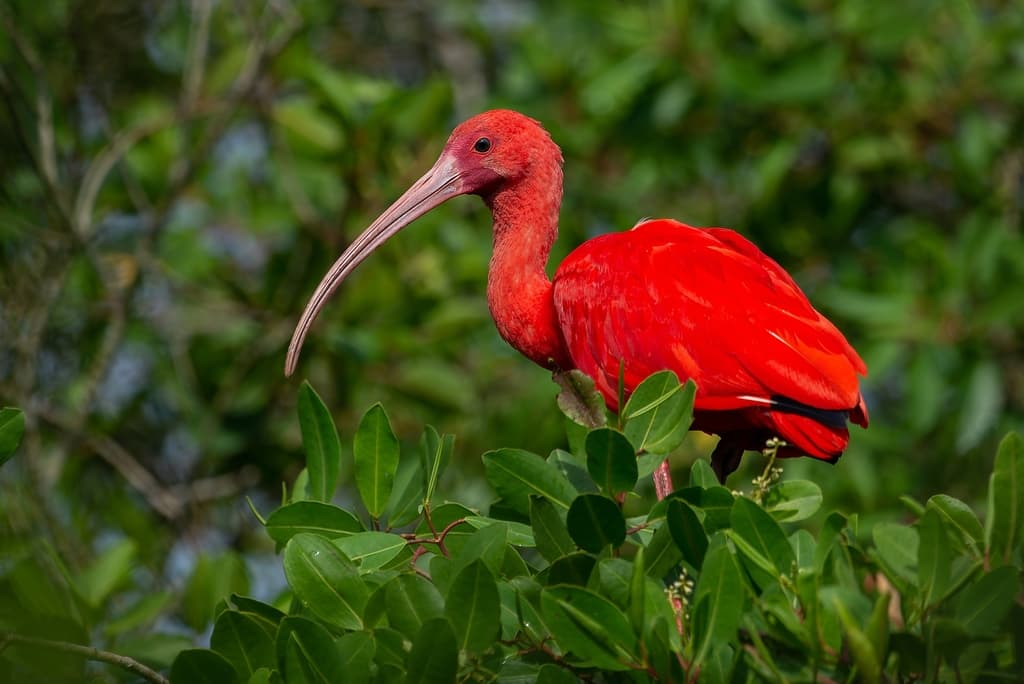
Scarlet Ibis
Eudocimus ruber
Protected Areas and Species
Conservation of Wildlife Act: What is Protected
Under the Conservation of Wildlife Act (COWA), Trinidad and Tobago protects all wildlife by default. The law only lists what may be taken; everything else is automatically off-limits.
How the Law Works
All Species are Protected by Default
Under COWA, all wildlife in Trinidad and Tobago is protected by default. The law assumes you cannot take, hunt, or harm any animal unless it is specifically listed as a game or pest species and you are acting within the prescribed rules: during open season, with the correct permit, and using lawful methods. Rather than listing what is protected, the Act lists only what may lawfully be taken. Everything else is automatically off-limits.
Game species and pest species designations exist under the Act and are accompanied by regulations governing season, method, and permit requirements. If a species is not on those lists, it is fully protected and cannot lawfully be taken, harmed, kept in captivity, or traded without authorisation.
Game Sanctuaries under COWA
What is a Game Sanctuary?
Under COWA, a Game Sanctuary is a specific area that has been legally declared and listed in the First Schedule of the Conservation of Wild Life Act. The Act defines a "Game Sanctuary" as any area declared in accordance with section 3, and section 3 states that the areas whose boundaries are set out in the First Schedule "are hereby declared to be Game Sanctuaries." In plain terms, these are wildlife protection zones where animals receive a higher level of protection from hunting pressure.
What is prohibited: The Act makes it an offence, except in limited cases, to hunt in a Game Sanctuary, to be found there under circumstances showing that a person was hunting, to take dogs there for hunting, or to carry guns or other hunting devices there. A person found inside a Game Sanctuary in possession of an animal is presumed to have hunted it there unless they can prove otherwise.
Why they matter: Game Sanctuaries are one of the clearest tools in COWA for protecting habitat and reducing direct human pressure on wild animals. In a small island state, these protected spaces are essential. They safeguard biodiversity, support breeding populations, and preserve ecosystems that communities depend on for water, climate resilience, and ecological balance.
Northern Range Game Sanctuary
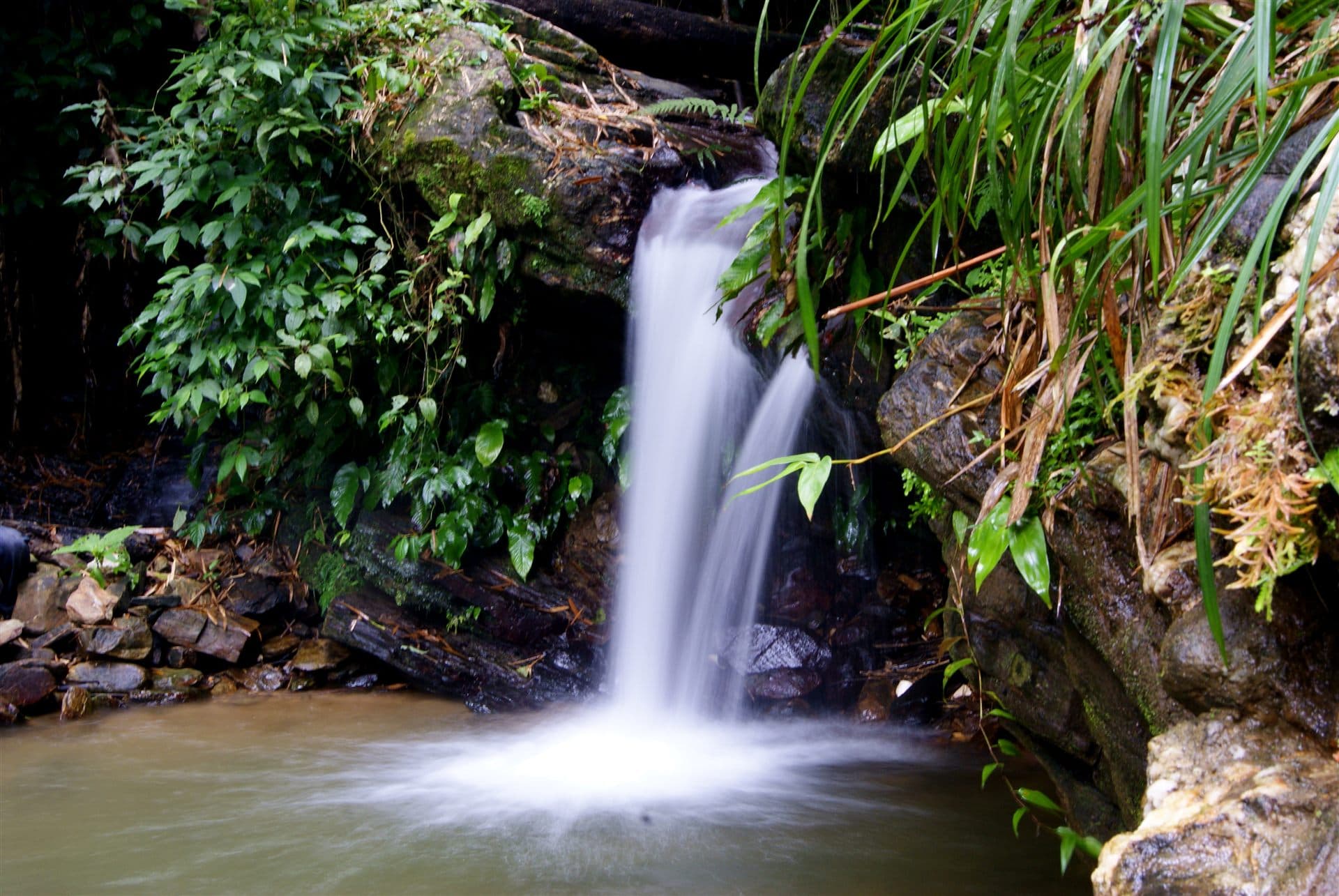
The Northern Range Game Sanctuary covers the forested mountain spine running east to west across northern Trinidad - from the Cha…
View details →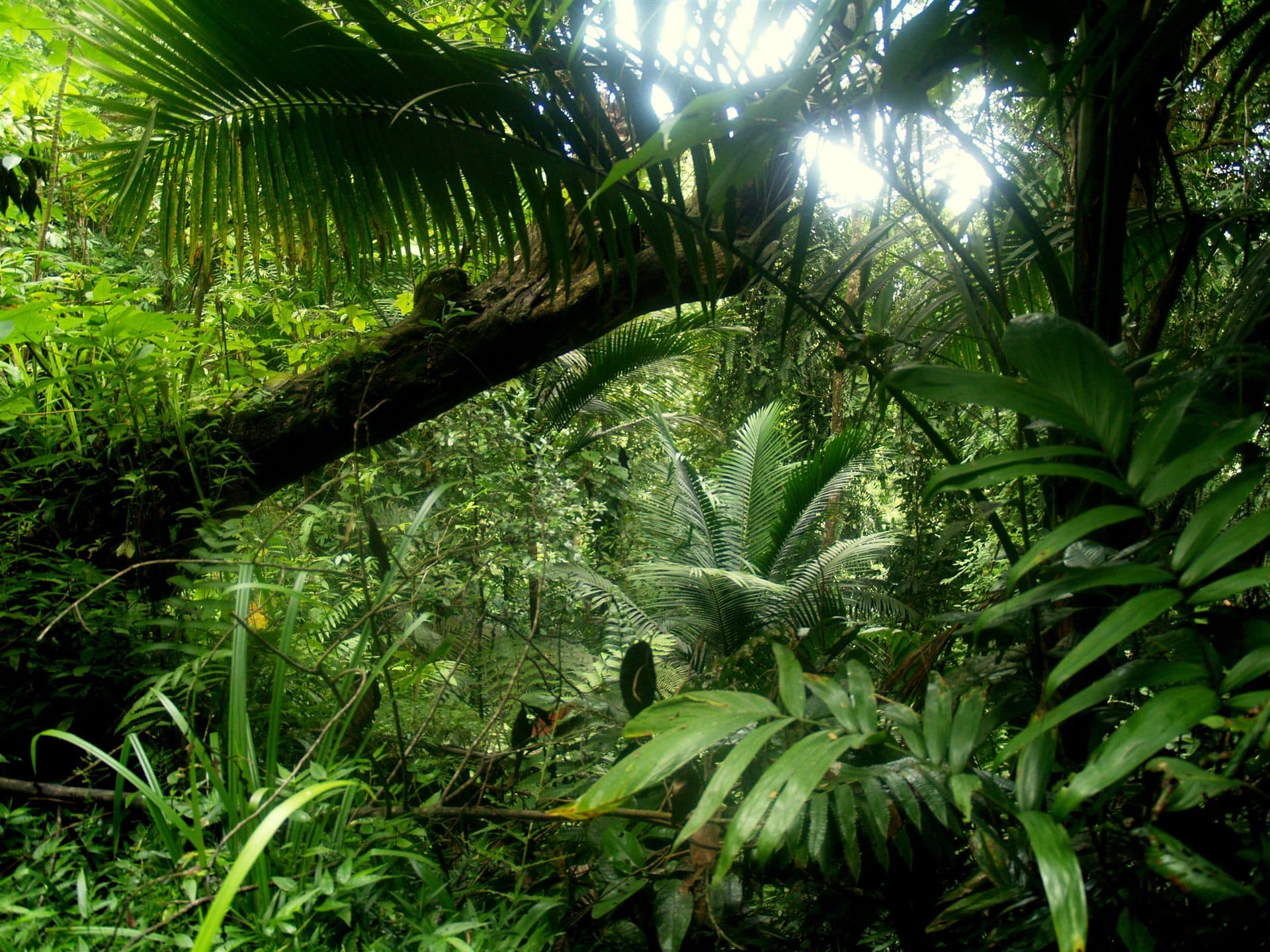
Valencia Game Sanctuary
The Valencia Game Sanctuary protects lowland and foothill forest at the southeastern edge of the Northern Range, forming a critica…
View details →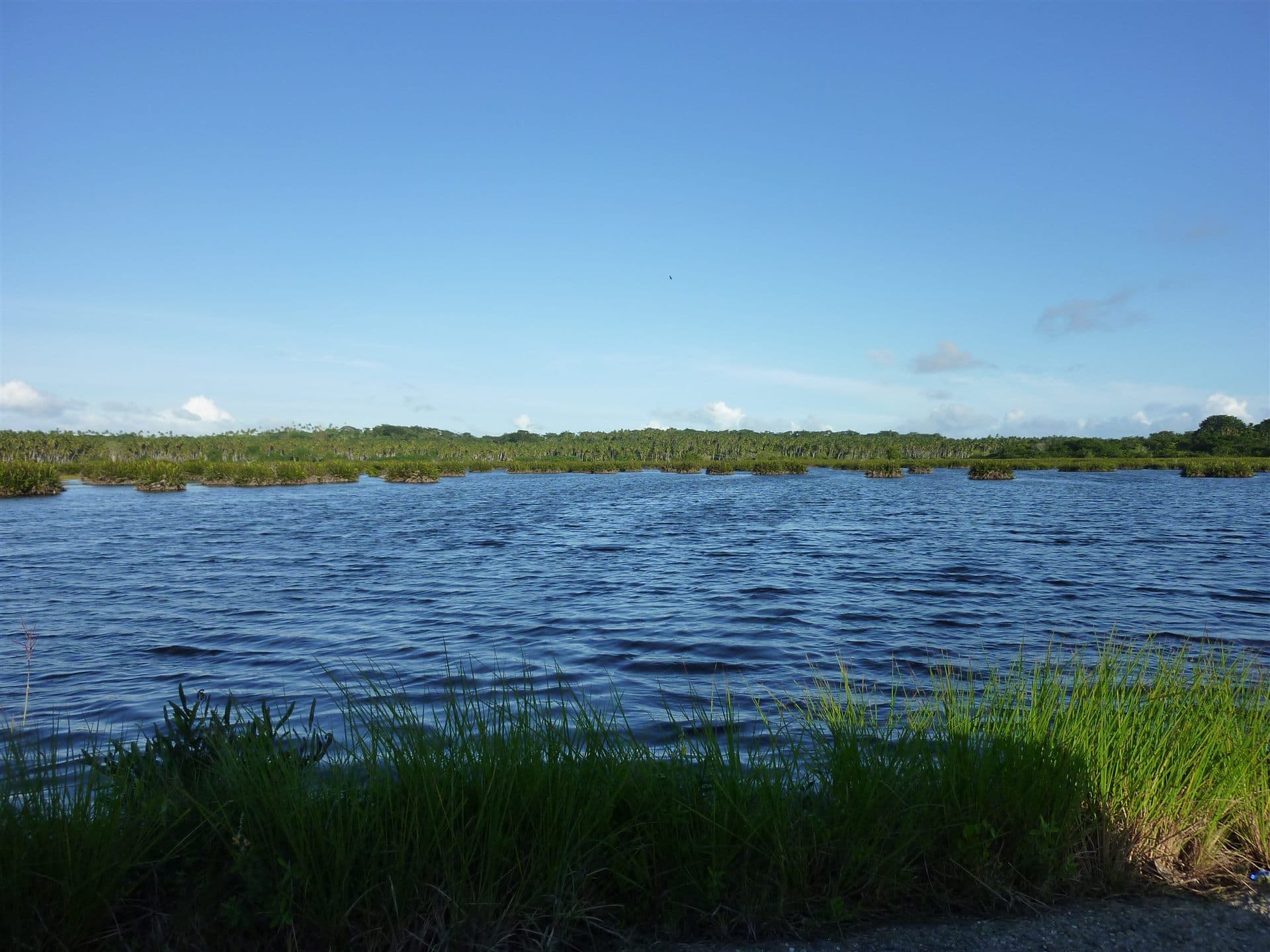
Central Range Game Sanctuary
The Central Range Game Sanctuary protects the forested hill country running through the interior of Trinidad, safeguarding a criti…
View details →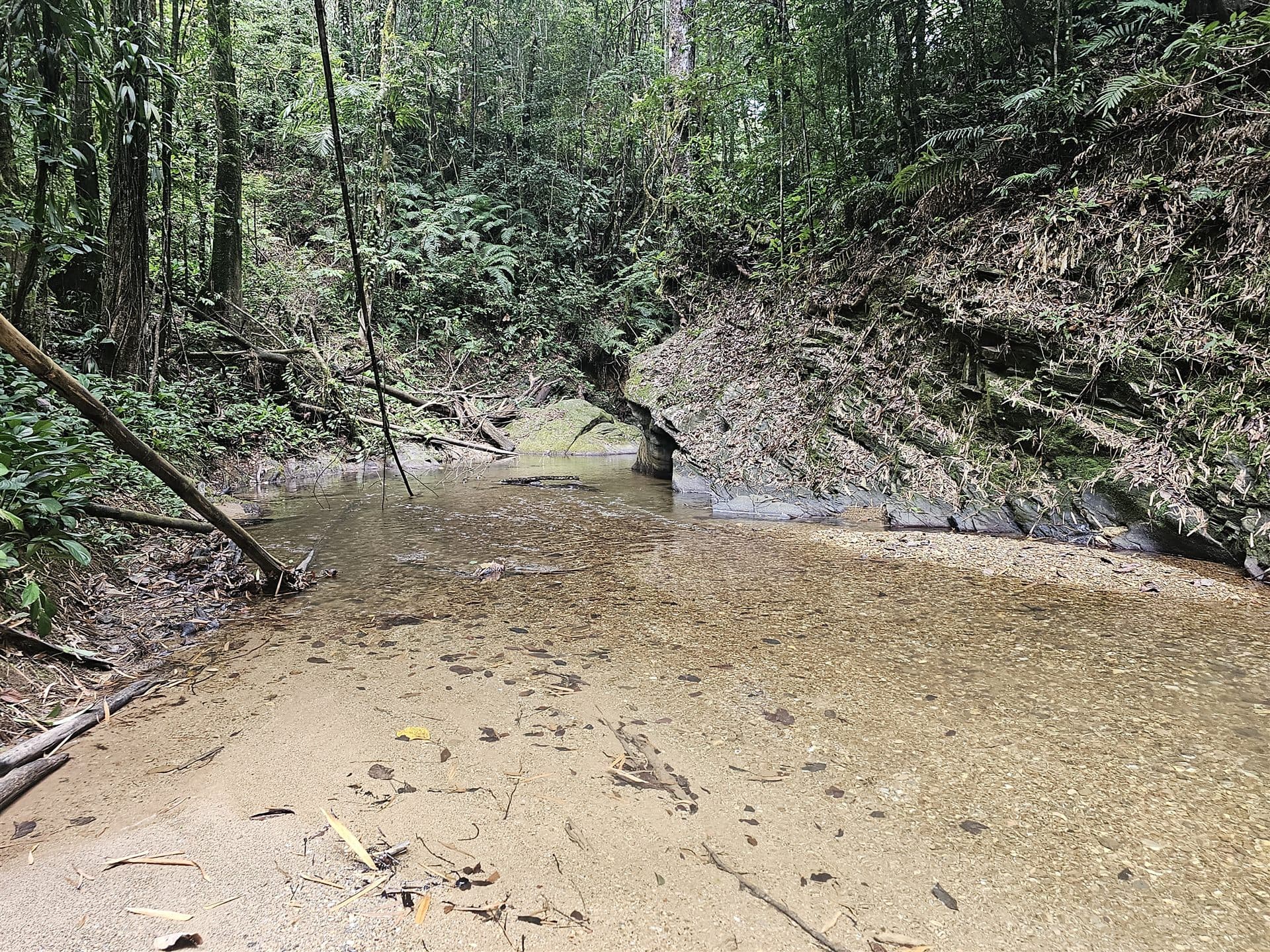
Trinity Hills Game Sanctuary
Tucked into the rugged Southern Range of south-east Trinidad, Trinity Hills Game Sanctuary - locally known as the Three Sisters …
View details →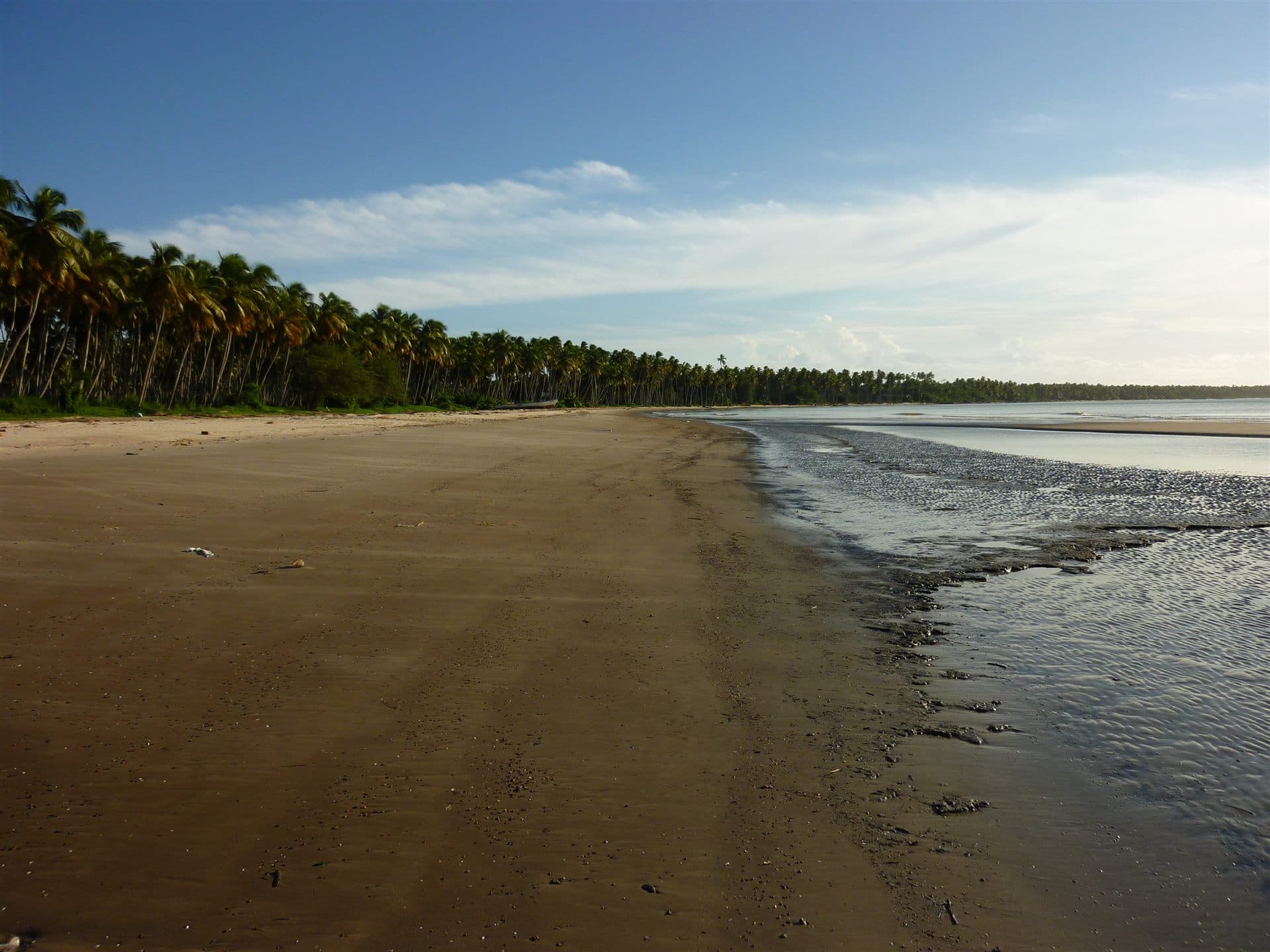
Southern Watershed Game Sanctuary
The Southern Watershed Game Sanctuary protects forested hill country in the oil-producing south of Trinidad, securing one of the r…
View details →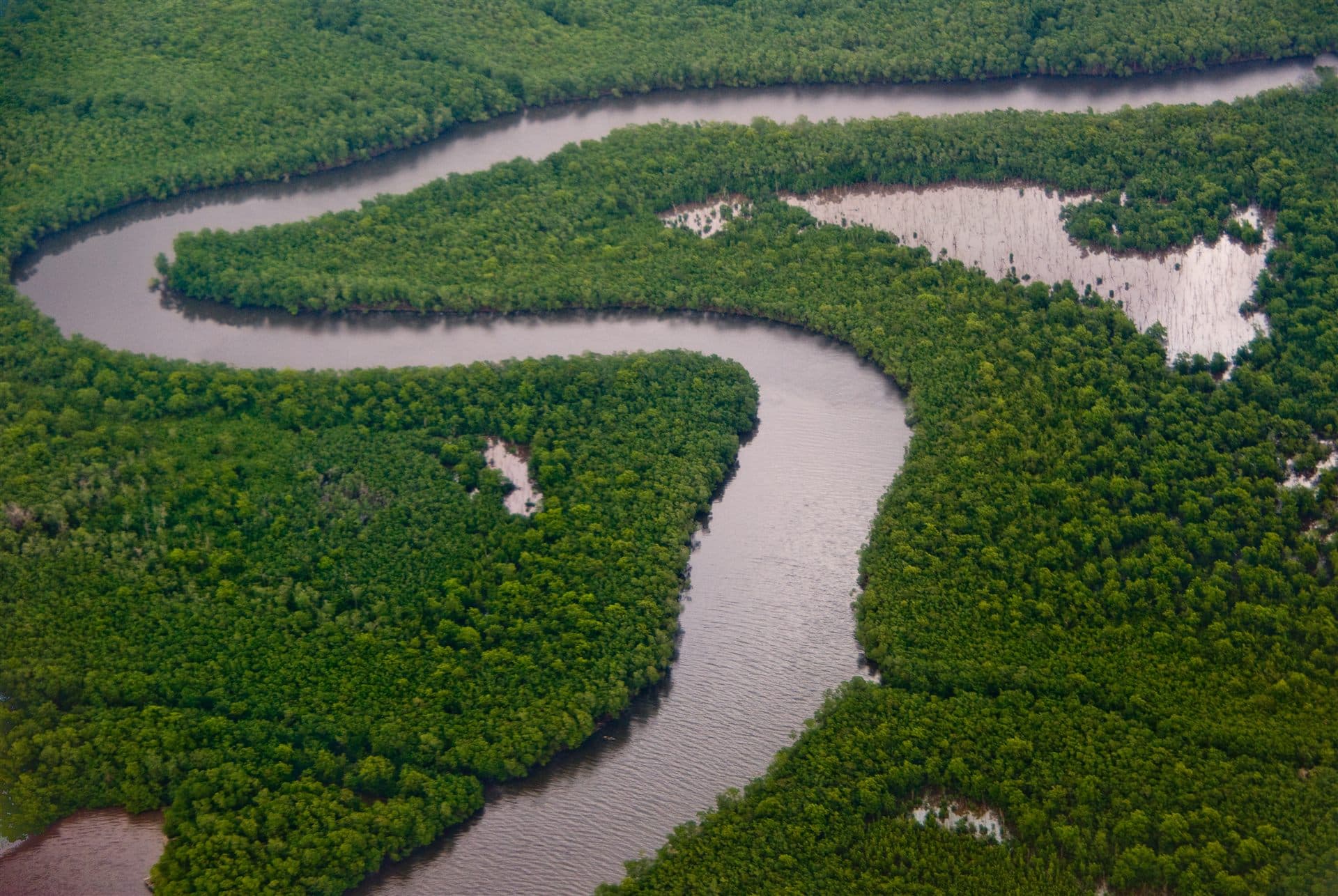
Caroni Swamp Game Sanctuary
The Caroni Swamp Game Sanctuary is Trinidad's most celebrated protected wetland and the evening roost of tens of thousands of Scar…
View details →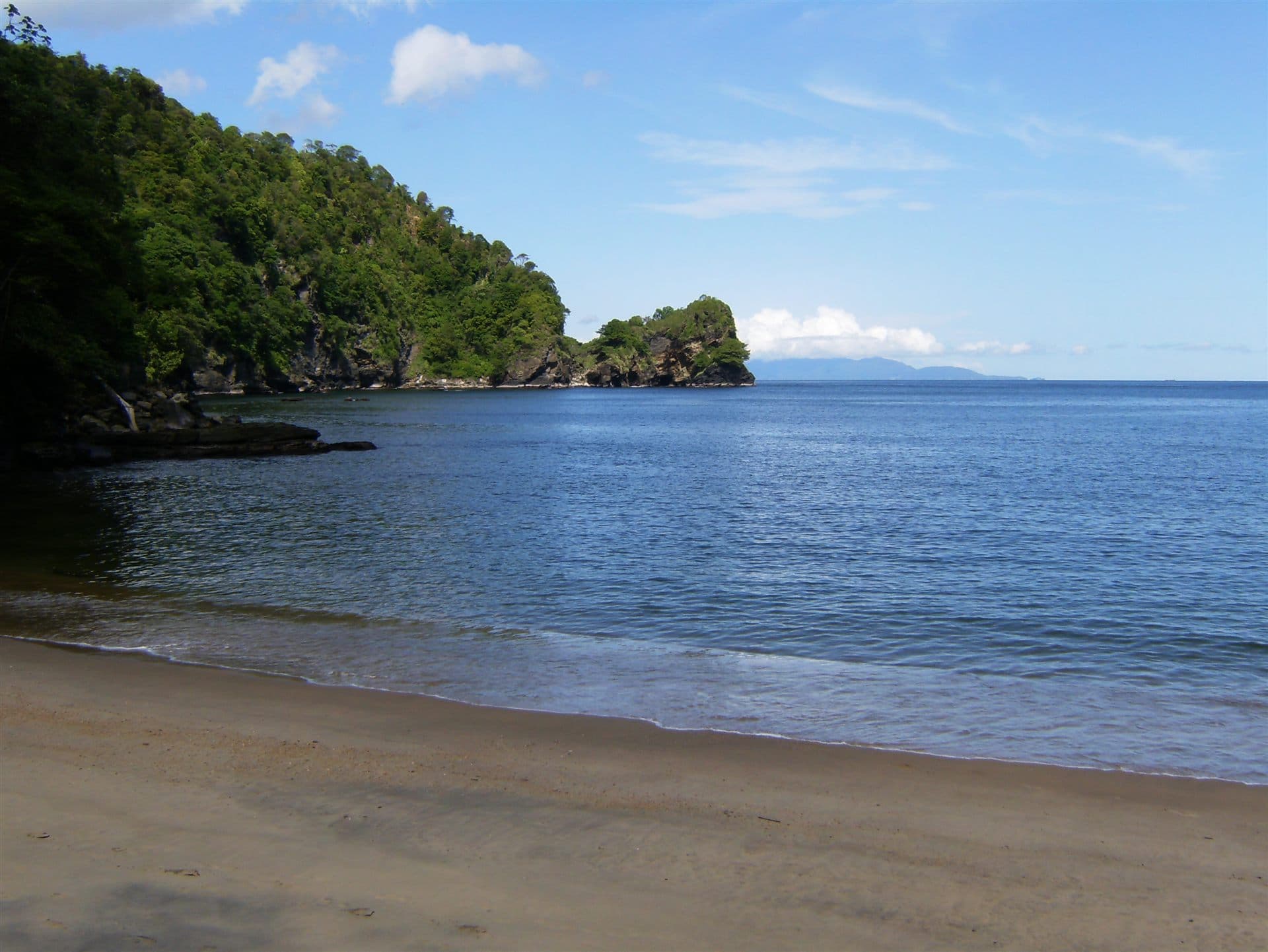
Kronstadt Island Game Sanctuary
Kronstadt Island Game Sanctuary protects a small island in the Gulf of Paria off the west coast of Trinidad, providing undisturbed…
View details →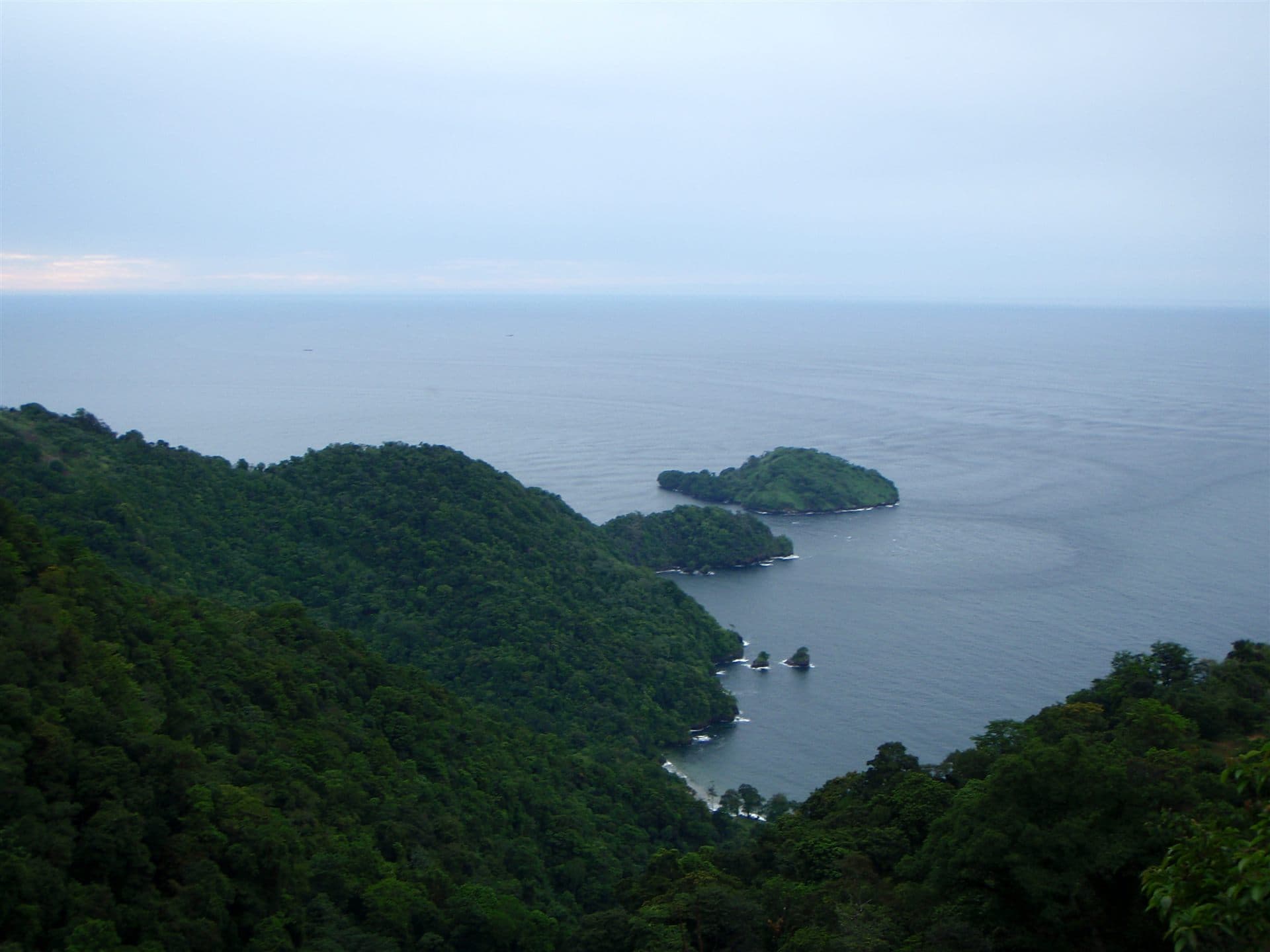
Saut d'Eau Game Sanctuary
Saut d'Eau - also known as Maravaca - is a small rocky islet lying roughly 500 metres off the north coast of Trinidad, gazetted …
View details →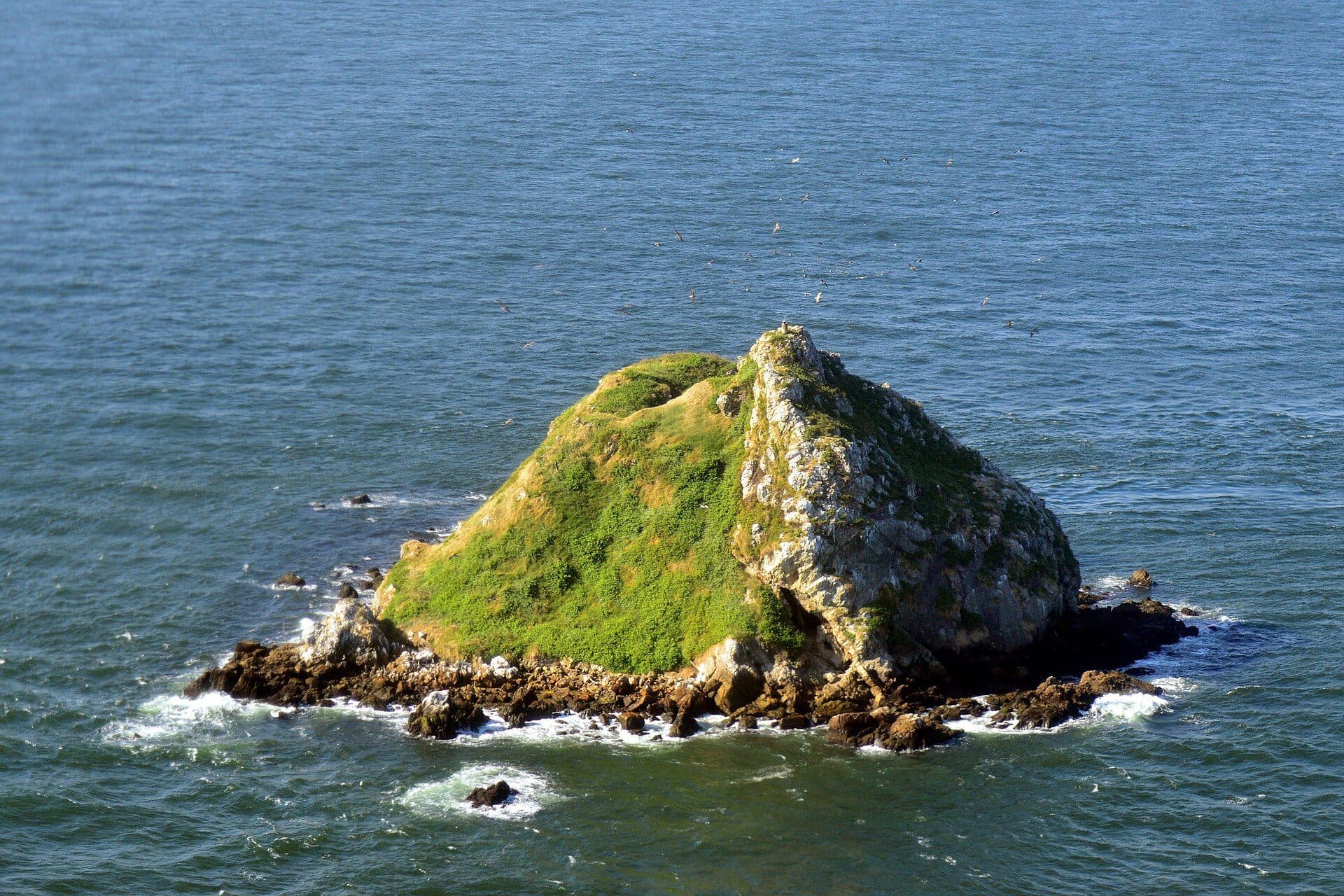
Soldado Rock Game Sanctuary
Soldado Rock is a tiny limestone islet rising just 35 metres above the Gulf of Paria, roughly 10 km south-west of Icacos Point nea…
View details →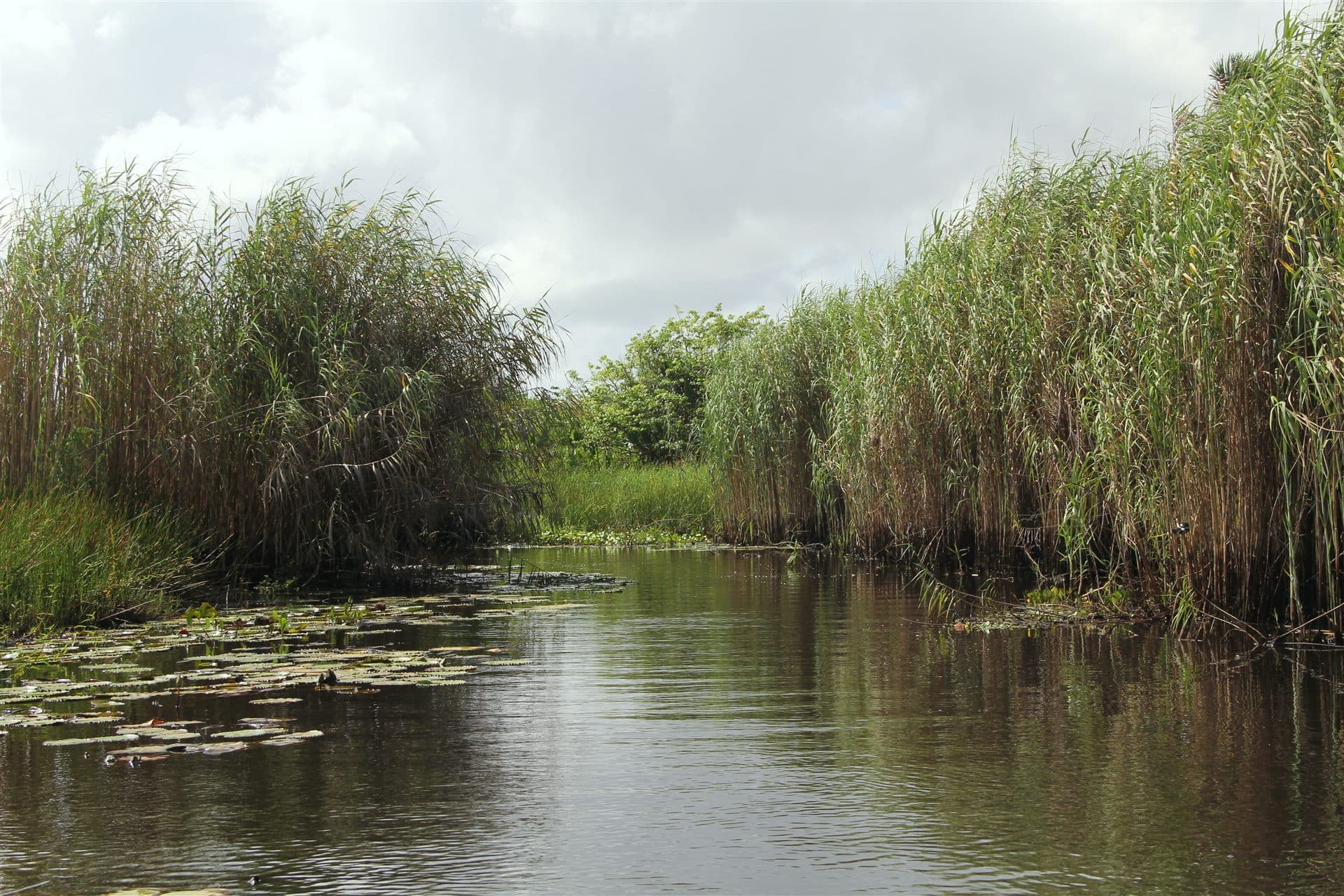
Bush Bush Wild Life Sanctuary
Bush Bush Wild Life Sanctuary is a 1,408-hectare forested island of elevated hardwood rising above the Nariva Swamp on Trinidad's …
View details →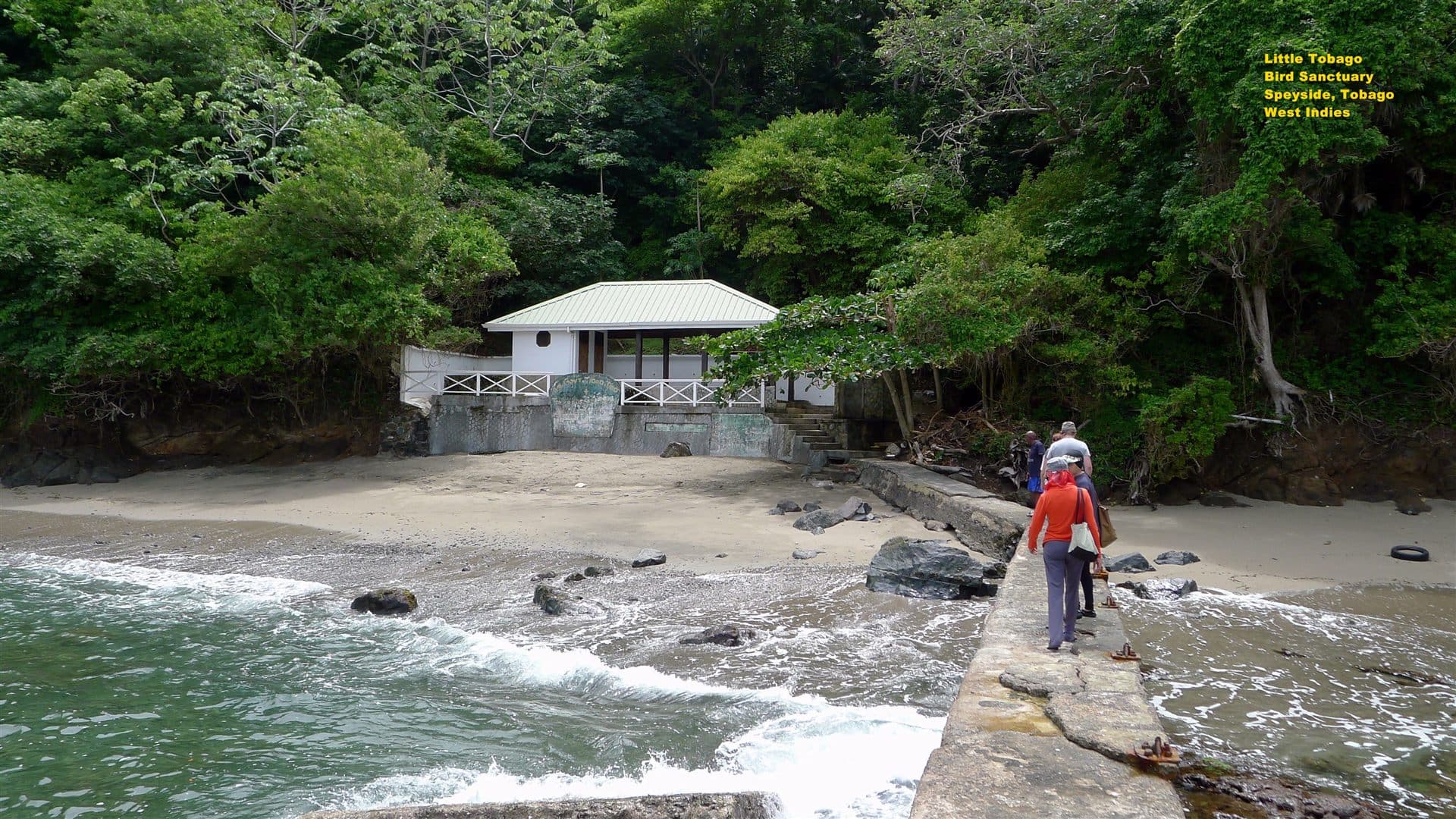
Little Tobago Game Sanctuary
Little Tobago is an uninhabited offshore island approximately 100 hectares in extent, lying off the northeastern tip of Tobago nea…
View details →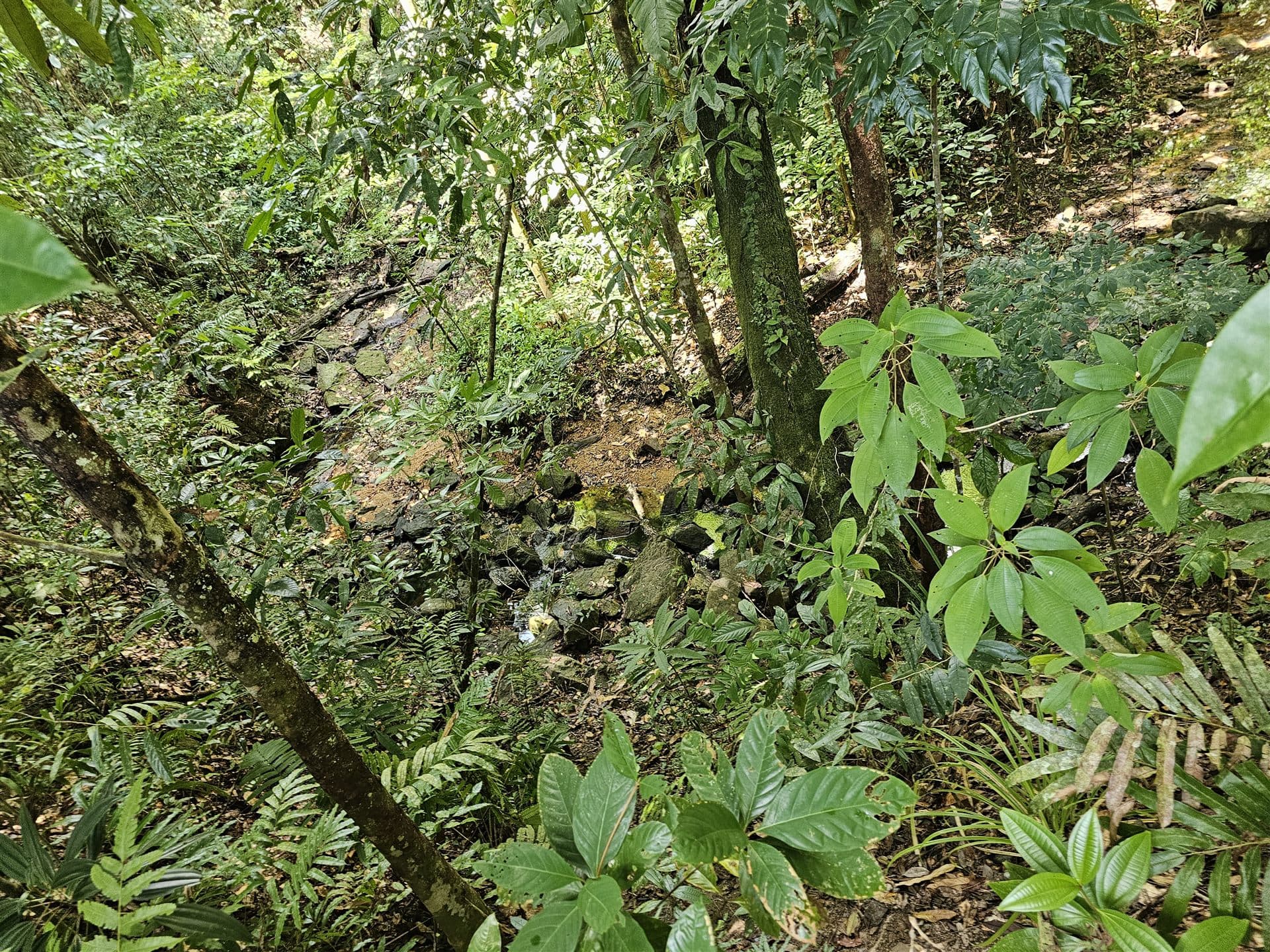
Morne L'Enfer Game Sanctuary
Morne L'Enfer Game Sanctuary protects one of the most ecologically significant forest tracts in southwest Trinidad, a reserve of s…
View details →Protected Areas
Forests Act: Prohibited Areas
The Forests Act and its subsidiary orders create a separate layer of protection for specific areas across Trinidad and Tobago, declaring them prohibited areas where entry and activity are tightly restricted.
How the Law Works
A Prohibited Area Is a Hard Legal Boundary
The Forests Act establishes Forest Reserves as a protected category across Trinidad and Tobago. Beyond that, the Forests (Prohibited Areas) Order names additional specific places, from coastal wetlands and estate lands to offshore islands and seasonal nesting beaches, declaring them prohibited areas where entry and activities such as clearing, hunting, and resource extraction require State authorisation.
The Forests Act framework overlaps with COWA in a number of areas. Several Game Sanctuaries gazetted under the Conservation of Wildlife Act are also declared prohibited areas under the Forests Act, creating a dual layer of legal protection. Where both laws apply, a person found within the area may face liability under either or both statutes.
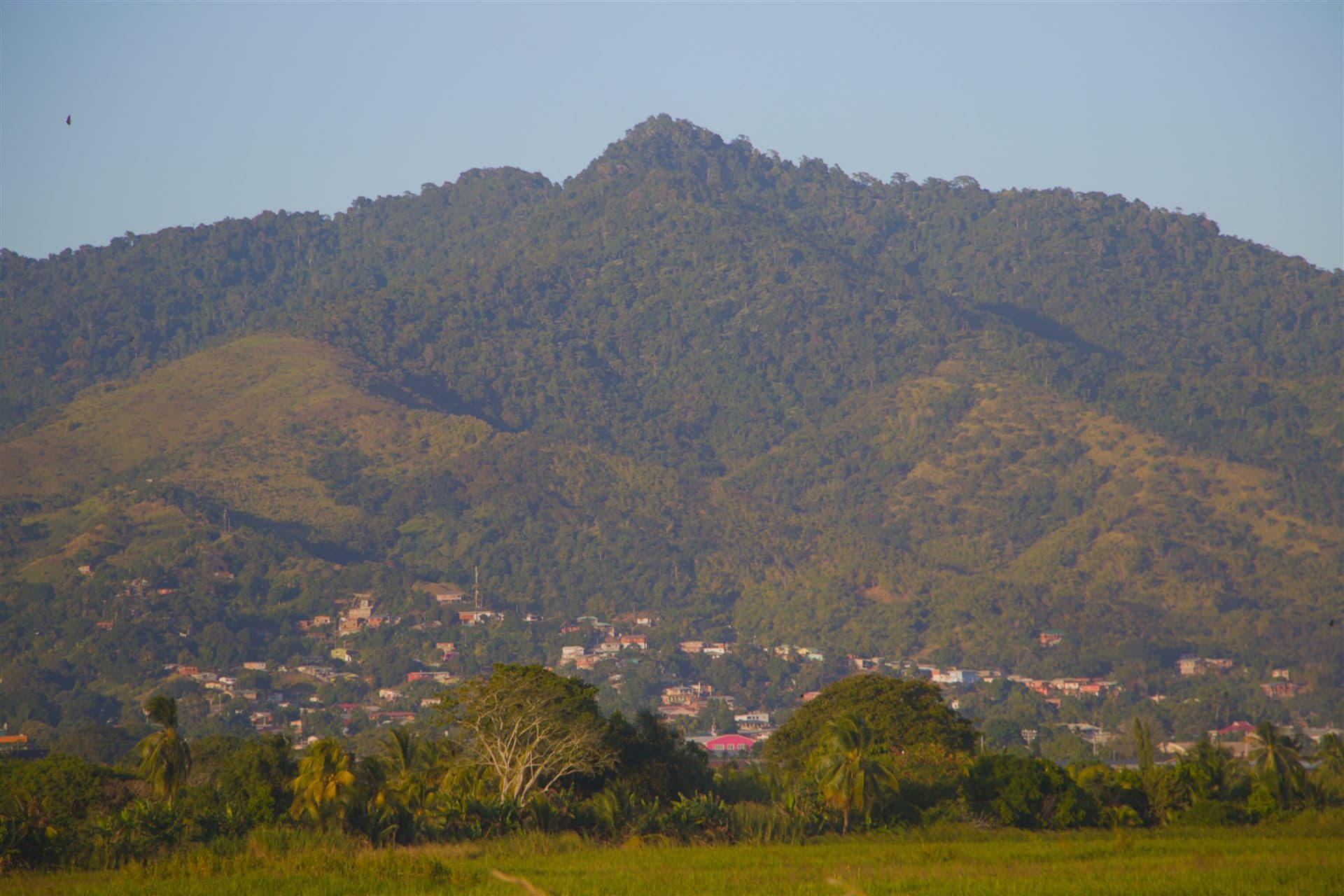
All Forest Reserves
The entire Forest Reserve estate across Trinidad and Tobago is protected under the Forests Act. Clearing, settlement, and unlicensed timber extraction within any Forest Reserve are prohibited.
Learn more →Main Ridge Forest Reserve
Gazetted on 13 April 1776 by an Act of the British colonial Parliament, the Main Ridge Forest Reserve in Tobago is the oldest legally protected forest in the Western Hemisphere, and part of a UNESCO Biosphere Reserve.
Learn more →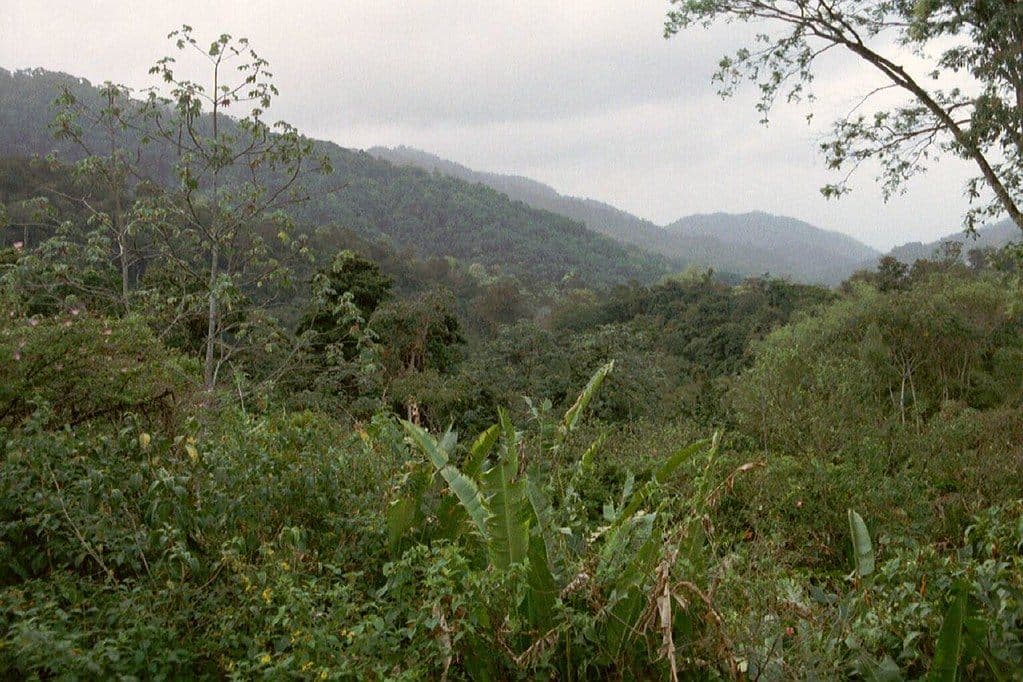
Mount Hope Estate
A specific 209-acre portion of the Mount Hope Estate is a designated prohibited area under the Forests Prohibited Areas Order.
Learn more →Caroni Swamp
Multiple defined zones are prohibited areas: the Northern Area, Southern Area, North Sanctuary Nos. 2-4, and areas of approximately 207.5 acres and 2,094 hectares respectively. Also designated Ramsar Wetland of International Importance No. 1497 (2005) and a BirdLife Important Bird Area for its Scarlet Ibis roost.
Learn more →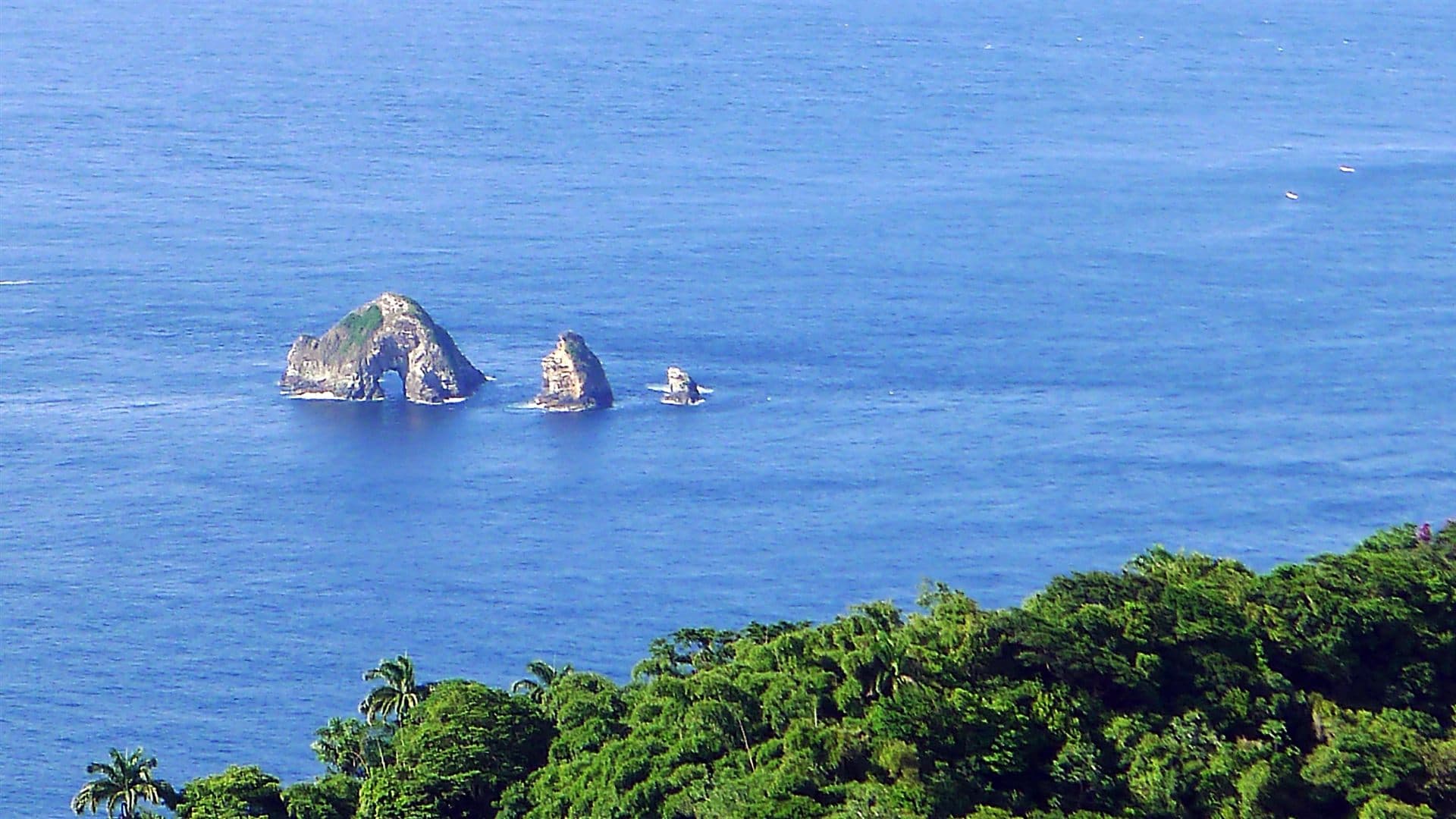
St. Giles Islands
Marble Island, London Bridge Rock, and the adjacent state islets and rocks comprising the St. Giles Islands group off the northeast coast of Tobago are protected prohibited areas. This area is declared a Prohibited Area under the Forests (Prohibited Areas) Order, paragraph (7), GN 66/1968, forms part of the North-East Tobago UNESCO Biosphere Reserve (2020), and is a BirdLife Important Bird Area, the only breeding site in T&T for Magnificent Frigatebird and Red-footed Booby.
Learn more →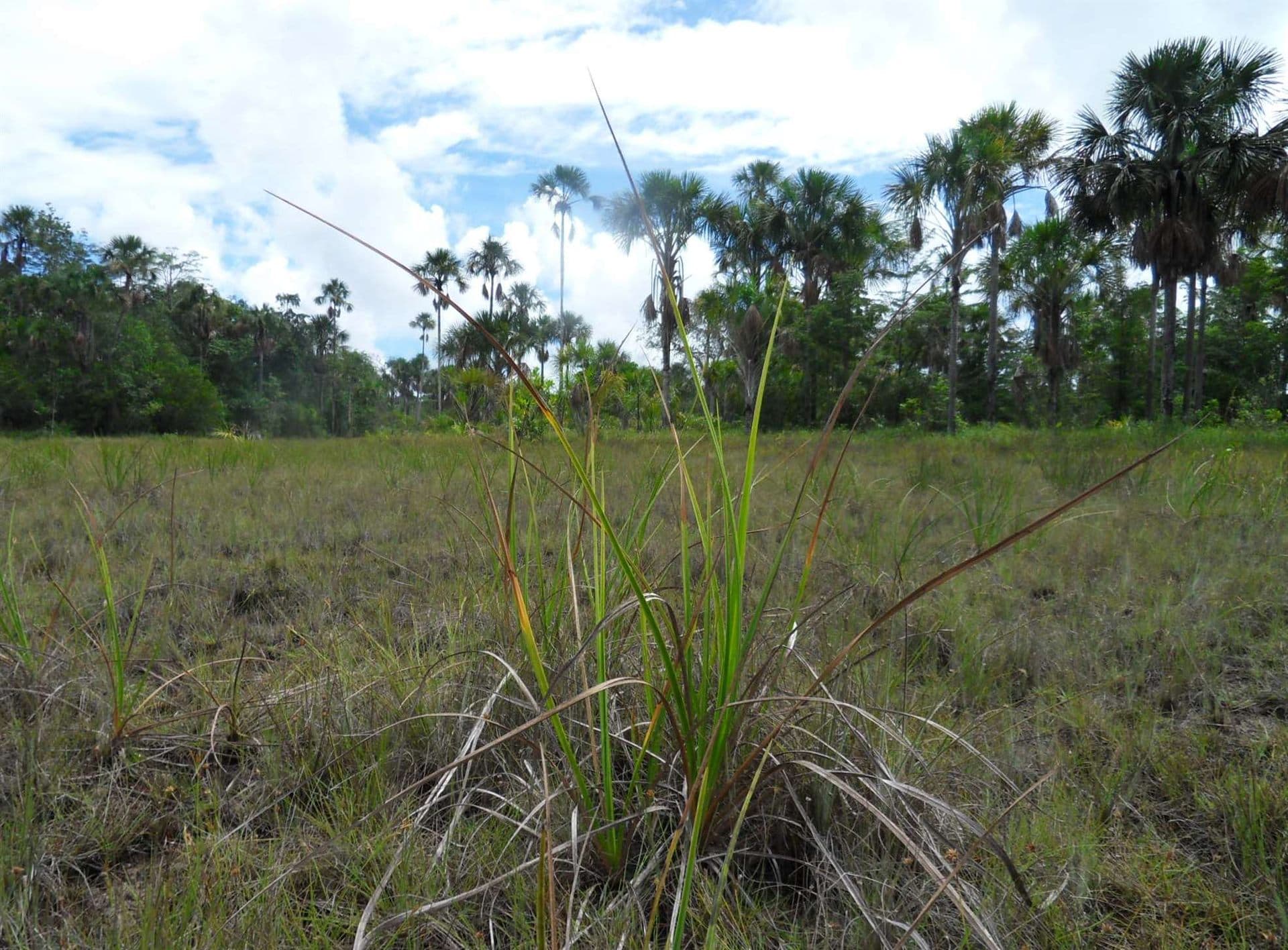
Long Stretch Forest Reserve
A specified portion of the Long Stretch Forest Reserve has been declared a prohibited area by order under the Forests Act.
Learn more →Seasonal Beach Prohibited Areas
Matura Beach, Fishing Pond Beach, and Grande Riviere Beach are prohibited areas every year from 1 March to 31 August, protecting nesting leatherback sea turtles during the critical nesting season.
1 March to 31 August annually
Learn more →Nariva Swamp
A specified portion of the Nariva Swamp (excluding Areas A and B) is declared a prohibited area. Trinidad's largest freshwater wetland is also Ramsar Site No. 577 (1992) and a BirdLife Important Bird Area, supporting manatees, caimans, anacondas, and an extraordinary diversity of waterbirds.
Learn more →Game Sanctuaries Declared Prohibited Areas: The Schedule
The Game Sanctuaries referred to in the Schedule to the Forests Act, and delineated in the respective plans at Appendices 1 to 9, are hereby declared prohibited areas. These nine sanctuaries carry dual protection: as Game Sanctuaries under the Conservation of Wildlife Act, and as prohibited areas under the Forests Act.
View Game Sanctuary profiles aboveWildlife and Watersheds Are Connected
The forests of the Northern Range are not just home to wildlife. They are the source of Trinidad's water supply. Deforestation upstream means water scarcity downstream. Conservation is not a luxury; it is infrastructure.
Learn More About Forest ProtectionReport Environmental Harm
Witnessed illegal hunting, burning, dumping, or wildlife disturbance? Your report, made responsibly and lawfully, makes a real difference. WEPTT takes every report seriously.
File a Report