Photo: Bakanae · Trinidad (CC BY-SA 3.0)
The Aripo Savannas are Trinidad's largest remaining natural savanna, a fire-shaped, edaphically controlled landscape unlike any other in the Caribbean. Declared an Environmentally Sensitive Area under Legal Notice No. 152 of 2007, the 1,788-hectare reserve supports 457 plant species, two true plant endemics, and over 250 bird species.
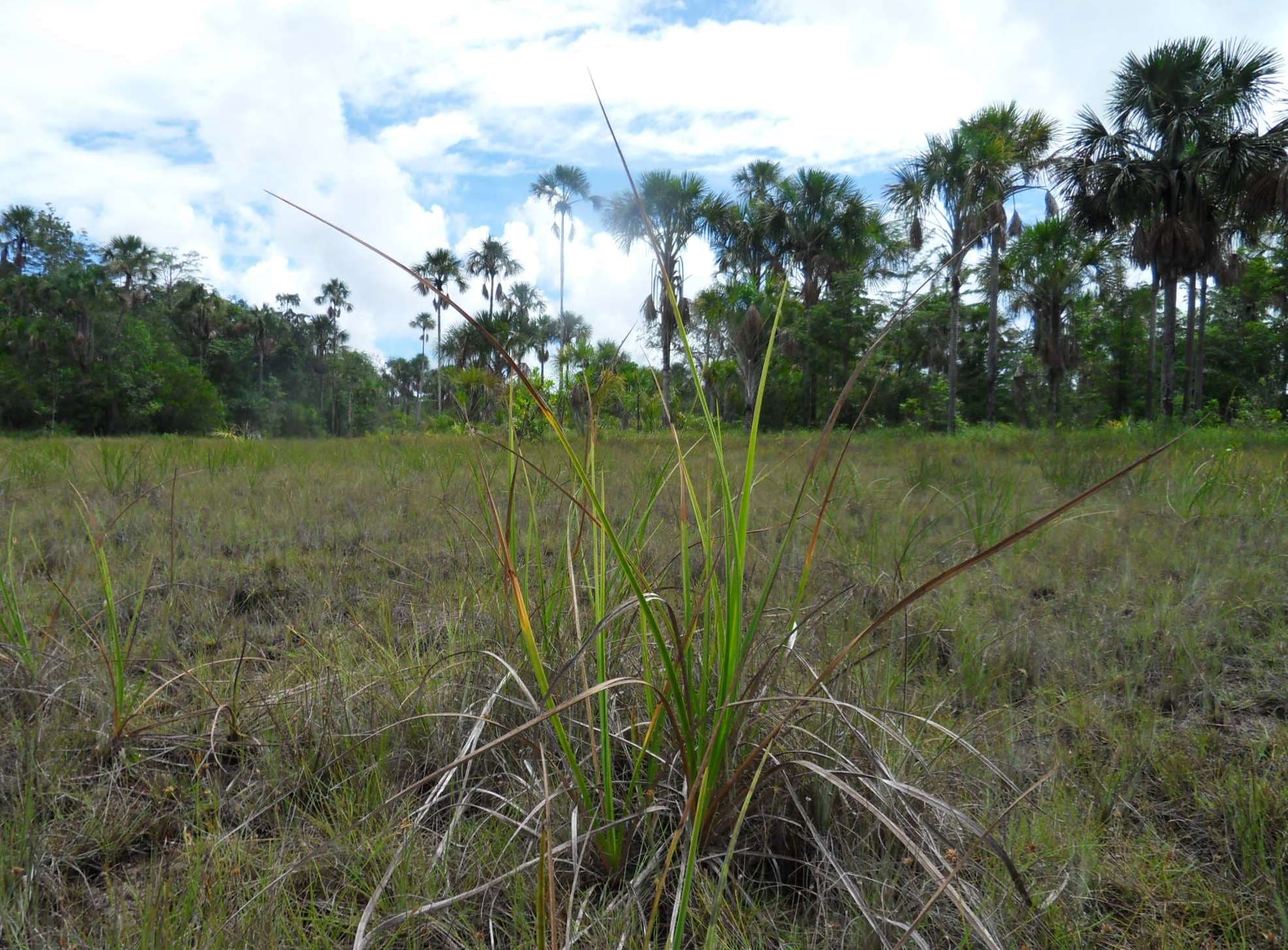
Unlike most savannas, Aripo is not driven by climate but by a shallow impervious hardpan clay layer that prevents root penetration, causes intense seasonal flooding and drought, and restricts most tree growth. This produces a distinctive mosaic of open grassland, marsh, Moriche Palm forest, and gallery forest comparable to Venezuela's Gran Sabana and Brazil's Cerrado, found nowhere else in the Caribbean archipelago.
The Moriche Palm (Mauritia flexuosa) is the keystone species of the savanna. Trinidad marks the northern limit of its global range, and the Red-bellied Macaw and Orange-winged Parrot depend entirely on its fruit. The reserve also holds carnivorous plants (sundews, bladderworts), ground orchids, and 38 plant species restricted exclusively to this site; two of these, Rhynchospora aripoensis and Xyris grisebachii, are found nowhere else on Earth.
A participatory management planning process conducted by CANARI between 2006 and 2009 involved over 250 stakeholders from more than 40 organisations and produced a 10 to 15 year framework plan. Despite this, the savannas face active pressure from quarrying, encroachment accelerated by the new Elmina Clarke-Allen Highway, arson fires that alter the vegetation structure the ecosystem depends on, and illegal extraction of plants and animals.
Why This Matters
The Aripo Savannas are a genuinely singular landscape: the only natural savanna of their type anywhere in the Caribbean archipelago. They exist not because of climate, but because of a shallow impervious hardpan clay layer in the soil that prevents root penetration, causes seasonal flooding, and limits tree growth in ways that produce an open, grassy, palm-studded terrain more reminiscent of Venezuela's Gran Sabana or Brazil's Cerrado than anything else in the region. The 457 plant species recorded here include two found nowhere else on Earth, and a further 38 restricted entirely to this site. This is not a place that can be approximated elsewhere; it is irreplaceable in a strictly literal sense.
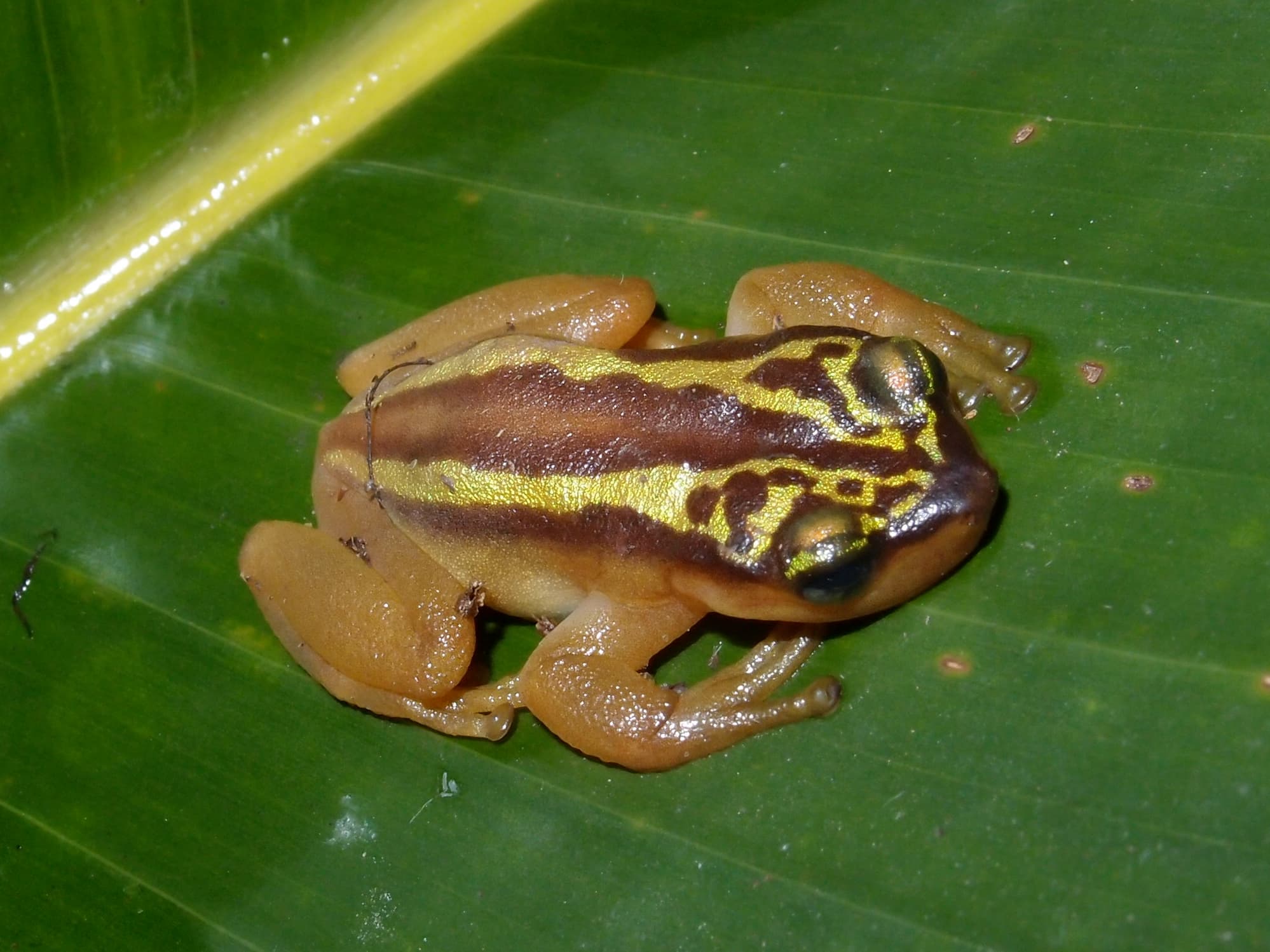
The Moriche Palm, the keystone species of the savanna, marks the northern boundary of its global range at Aripo. The Red-bellied Macaw and Orange-winged Parrot depend on its fruit for survival; the frogs, insects, and small vertebrates that live among its bases and root systems depend on the specific hydrology that only this landscape provides. When the ecosystem functions as it should, the savannas also contribute to the broader watershed hydrology of north-central Trinidad, intercepting water and releasing it slowly into river systems. Burning the savannas for agricultural clearing, or draining them for development, severs those hydrological connections permanently.
The extensive participatory planning process that produced the Aripo Savannas ESA designation in 2007, involving over 250 stakeholders from more than 40 organisations, demonstrates that T&T's institutions can mobilise to protect what matters when they are given the evidence and the opportunity. What the Aripo Savannas need now is for that commitment to hold: consistent enforcement against quarrying and encroachment, controlled fire management that mimics the natural regime, and the sustained attention of the scientific community that has already documented so much of what makes this place extraordinary.
Key Threats
- Quarrying
- Encroachment and squatting
- Arson fires
- Altered fire regime
- Illegal extraction
- Highway-driven habitat exposure