Wildlife Sanctuary · Tobago
Little Tobago Game Sanctuary
Game Sanctuary · Conservation of Wildlife Act
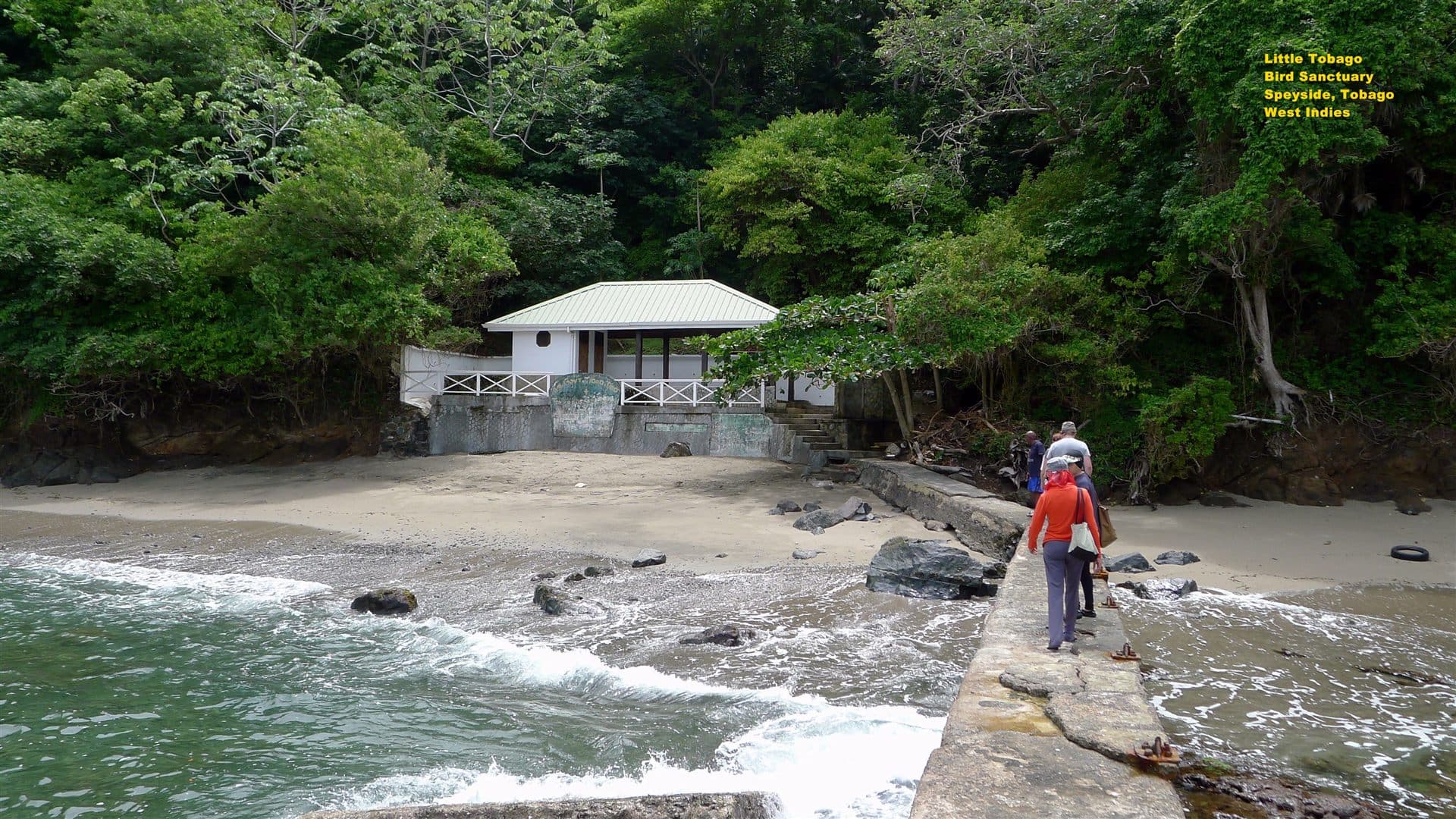
Photo: Kalamazadkhan · Little Tobago, Tobago (CC BY-SA 4.0)
Little Tobago is an uninhabited offshore island approximately 100 hectares in extent, lying off the northeastern tip of Tobago near Speyside. It holds one of the Caribbean's most important seabird colonies and is doubly protected: declared a Game Sanctuary under the Conservation of Wildlife Act and a Prohibited Area under the Forests Act, making unauthorised entry unlawful at all times.
The island's conservation story begins in 1909, when British naturalist and politician Sir William Ingram purchased it and introduced 48 Greater Birds of Paradise (Paradisaea apoda) rescued from the plume trade - earning Little Tobago its enduring nickname 'Bird of Paradise Island.' After Ingram's death in 1924, his heirs gifted the island to the Government of Trinidad and Tobago as a permanent wildlife sanctuary, making it one of the earliest formally protected natural areas in the Caribbean. The Greater Bird of Paradise population ultimately vanished - the last confirmed sighting was in 1981 - but their introduction drew global attention to the island and helped secure its protected status.
Today more than 50 bird species have been recorded on Little Tobago, with its seabird colony ranking among the most significant in the Lesser Antilles. Breeding species include Red-billed Tropicbird, White-tailed Tropicbird, Brown Booby, Red-footed Booby, Brown Noddy, Sooty Tern, Bridled Tern, Laughing Gull, and Audubon's Shearwater. The surrounding sea cliffs and dry scrub also support Rufous-vented Chachalaca and Copper-rumped Hummingbird in notable numbers. BirdLife International has designated the island an Important Bird and Biodiversity Area (IBA) on the strength of these nesting populations.
Little Tobago carries dual legal protection that places it among the most strictly regulated sites in Trinidad and Tobago. As a Game Sanctuary under the Conservation of Wildlife Act (Ch. 67:01), all hunting and disturbance of wildlife is prohibited. Separately, the island is listed as a Prohibited Area under the Forests Act, meaning access requires prior authorisation from the Forestry Division. Visitors may only land via licensed boat tours operating under permit, and all access is subject to warden oversight. This layered framework reflects the island's exceptional ecological sensitivity and its irreplaceable role as a seabird breeding stronghold.
Why This Matters
Little Tobago is one of the Caribbean's most important seabird breeding sites and, in ecological terms, one of the most significant offshore islands in Trinidad and Tobago. Its 100 hectares of dry forest, sea cliffs, and exposed scrubland support over 50 bird species including breeding Red-billed Tropicbirds, White-tailed Tropicbirds, Brown Boobies, Red-footed Boobies, Brown Noddies, Sooty Terns, and Audubon's Shearwaters. The island is embedded within the northeast Tobago marine environment, where the confluence of Caribbean Sea and Atlantic Ocean currents produces some of the most productive and diverse marine waters in the region. The Speyside reefs adjacent to the island are among Tobago's finest, and the seabirds nesting on Little Tobago depend on the fish those reefs and surrounding waters sustain.
The conservation story of Little Tobago is also the story of how natural places survive through deliberate human choices. Sir William Ingram purchased the island in 1909 to protect birds from the plume trade; his heirs gifted it to the government in 1924 as a permanent sanctuary; it has been protected under both the Conservation of Wildlife Act and the Forests Act ever since. The Greater Bird of Paradise introduction, though ultimately unsuccessful, drew global attention to the island a century ago and helped build the international conservation reputation it still carries today. This continuity of protection is itself a conservation achievement, and it has made possible the seabird colony that now ranks among the finest in the Lesser Antilles.
Little Tobago is also the anchor of the northeast Tobago nature tourism corridor, alongside the Speyside reefs and the Charlotteville fishing village. Visitors come specifically to see the seabirds and the surrounding marine life; those visits generate income and build the local constituency for conservation that makes the protection last. In this sense, the sanctuary is not a cost to the community; it is a renewable natural asset whose value depends entirely on keeping the island and its surrounding waters in good ecological condition.
Legal Protections
This sanctuary is gazetted under the Conservation of Wildlife Act. Hunting, trapping, and disturbance of wildlife within its boundaries is a criminal offence. Penalties include fines and imprisonment. If you witness illegal activity within this sanctuary, report it immediately.
Report a ViolationCurrent Threats
- Invasive rats and other predators threatening ground-nesting seabirds
- Visitor pressure and unlicensed landings disturbing nesting colonies
- Climate change increasing sea-surface temperatures and storm intensity
- Coral bleaching in adjacent Speyside reefs reducing fish stocks for seabirds
- Boat traffic and marine debris in surrounding offshore waters
Primary Sources & Legal Citations
- Conservation of Wild Life Act, Chap. 67:01 · First Schedule, Item 6[Established 1 June 1934; area 104.4 ha]
- Forests (Prohibited Areas) Order, Chap. 66:01 · Subsection (14)[GN 62/1999]
- UNESCO Man and the Biosphere Programme · North-East Tobago Biosphere Reserve[Designated October 2020; inaugurated June 2022]
- BirdLife International Important Bird & Biodiversity Area · Little Tobago IBA[Caribbean seabird breeding stronghold]