Forests Act · Prohibited Area · Trinidad
Caroni Swamp Prohibited Areas
Prohibited Areas · Forests Act · Trinidad
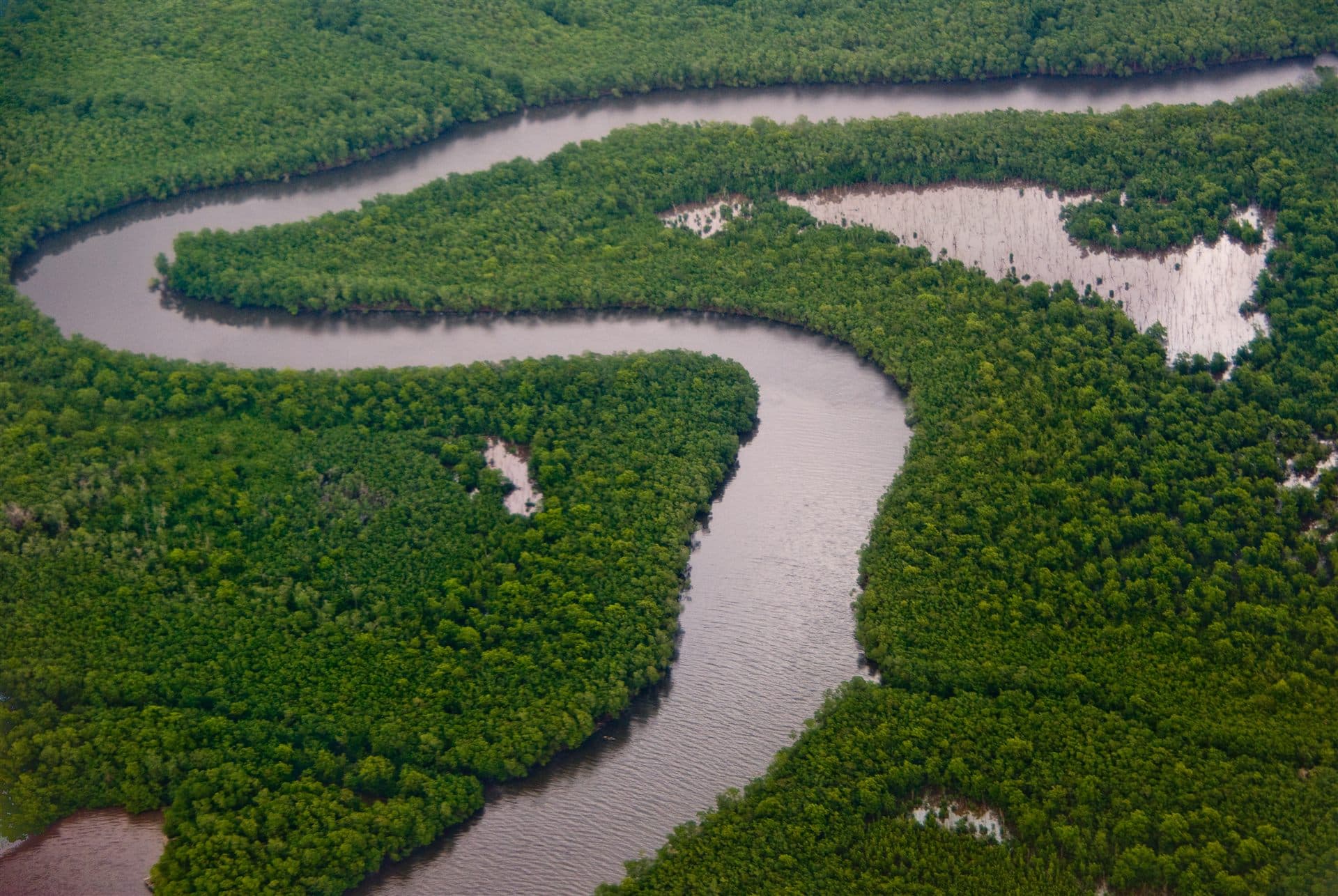
Photo: Bas Leenders · Caroni Swamp, Trinidad (CC BY-SA 2.0)
Multiple defined zones within the Caroni Swamp are prohibited areas under the Forests (Prohibited Areas) Order, adding a Forests Act enforcement layer on top of the area's COWA Game Sanctuary designation and its recognition as Ramsar Wetland of International Importance No. 1497.
The Caroni Swamp prohibited areas include a Northern Area, a Southern Area, North Sanctuary Nos. 2-4, and specifically described parcels of approximately 207.5 acres and 2,094 hectares respectively. These zones were delimited and declared prohibited areas under the Forests Act to reinforce the protections already afforded by the Caroni Swamp Game Sanctuary established under the Conservation of Wildlife Act.
The triple legal framework - COWA Game Sanctuary, Forests Act prohibited areas, and Ramsar Site No. 1497 (listed 8 July 2005) - means that anyone found within the prohibited zones without authorisation faces potential liability under both domestic statutes, while the Ramsar designation places international obligations on the State to maintain the ecological character of the wetland. Activities prohibited within these areas include clearing mangrove, hunting, netting, or disturbing wildlife, and operating boats above designated speed limits within sanctuary zones.
Caroni is internationally recognised as the roost of the Scarlet Ibis, Trinidad's national bird. The mangrove estuary also serves as a nursery for commercially important fish and invertebrate species, underpinning the livelihoods of fishing communities along the west coast.
Why This Matters
The Caroni Swamp's designation as a Prohibited Area under the Forests Act adds a critical enforcement layer to what is already one of the most legally protected wetlands in Trinidad and Tobago. The Forests Act designation means that unauthorised entry into the gazetted portions of the swamp is a criminal offence independently of the Conservation of Wildlife Act Game Sanctuary status and the Ramsar Convention protections. These overlapping legal frameworks are not redundancy for its own sake; they reflect the ecological reality that the Caroni Swamp is too important to rely on any single statute for its defence.
The mangrove forests that define the Caroni Swamp are among the most ecologically productive coastal ecosystems in the Caribbean. Red, black, and white mangroves form a complex estuarine system that serves simultaneously as a nursery for commercially important fish, a filter for pollutants entering the Gulf of Paria, a buffer against storm surge, and the evening roost for up to tens of thousands of Scarlet Ibis, T&T's national bird. The carbon stored in mangrove soils is among the densest of any terrestrial ecosystem on Earth; its release through clearing or drainage would contribute to atmospheric carbon at a rate that no replanting programme could easily offset.
The threat to the Caroni Swamp is not distant or hypothetical. Residential and industrial development continues to press against its northern and eastern margins; sedimentation from the Caroni River catchment gradually reduces the clarity and salinity balance that the mangroves depend on; unregulated boat traffic disturbs the roosting cycles of birds that need predictable, undisturbed access to their roost trees. The Forests Act Prohibited Area designation provides the enforcement tools to respond to these threats. Using those tools consistently is what makes the difference between a protected wetland and a wetland with a legal designation.
Legal Protections
This area is declared a prohibited area under the Forests Act, Chap. 66:01, or under an Order made pursuant to that Act. Entry, clearing, hunting, and resource extraction within its boundaries without State authorisation is a criminal offence. Penalties include fines and imprisonment. If you witness illegal activity within this area, report it immediately.
Report a ViolationCurrent Threats
- Mangrove clearance
- Pollution and sedimentation
- Boat disturbance
- Coastal development
Primary Sources & Legal Citations
- Forests (Prohibited Areas) Order, Chap. 66:01 · Subsections (2), (3), (4), (5), (6), (9)[GNs 156/1954, 145/1958, 136/1959, 122/1960, 129/1966, 141/1987]
- Conservation of Wild Life Act, Chap. 67:01 · First Schedule, Item 9 (Caroni Swamp Game Sanctuary)
- Ramsar Convention · Ramsar Site No. 1497[Listed 8 July 2005]