Wildlife Sanctuary · Trinidad
Kronstadt Island Game Sanctuary
Game Sanctuary · Conservation of Wildlife Act
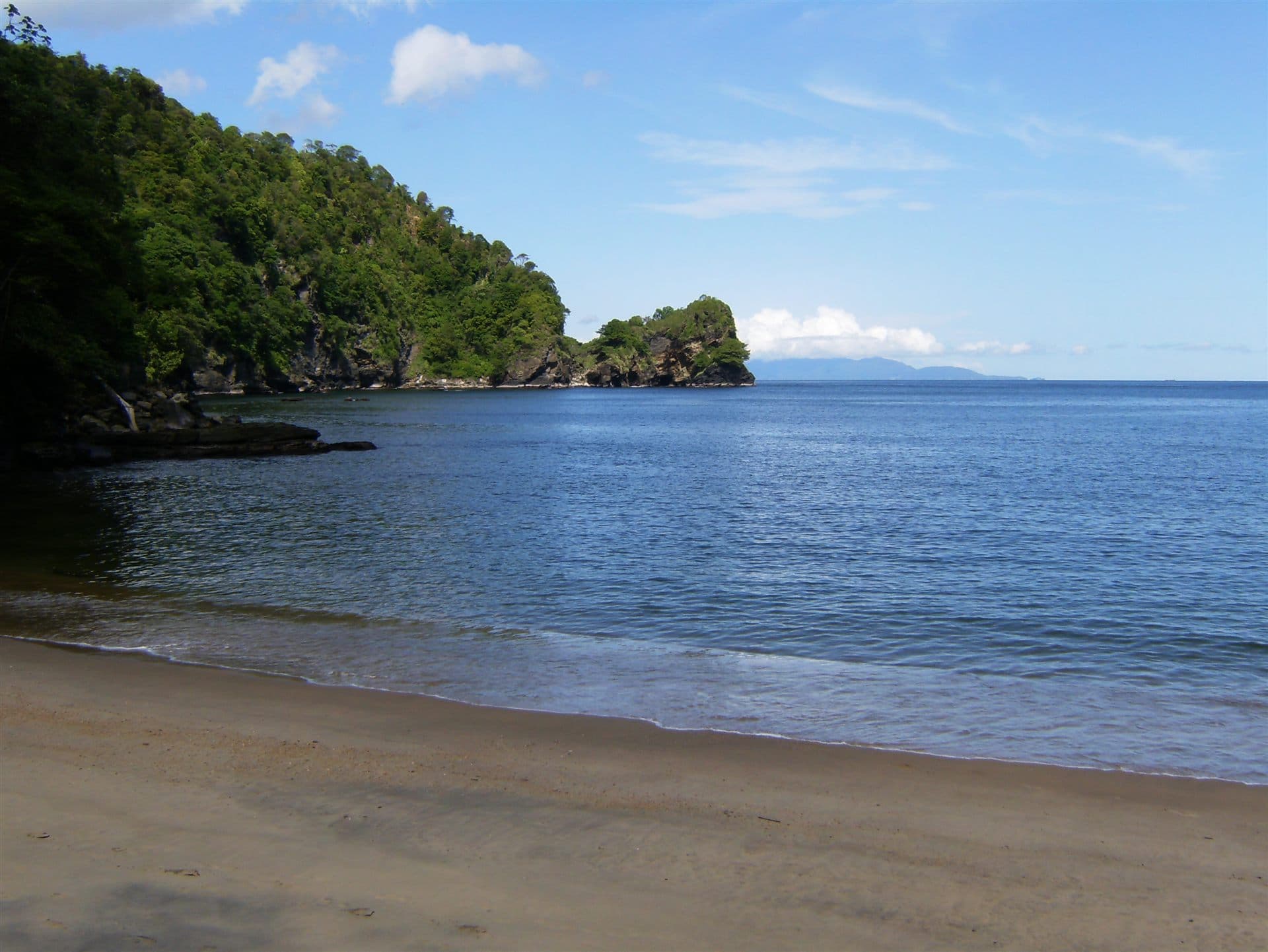
Photo: R45 · Chaguaramas, Trinidad (representative Gulf of Paria coast) (CC BY-SA 3.0)
Kronstadt Island Game Sanctuary protects a small island in the Gulf of Paria off the west coast of Trinidad, providing undisturbed roosting and nesting habitat for waterbirds under a dual legal protection framework that combines the Conservation of Wildlife Act with a prohibited area declaration under the Forests Act.
Kronstadt Island lies in the Gulf of Paria, separated from the Trinidad mainland by open water - a geographic isolation that limits casual human access and creates conditions suitable for colonial waterbirds requiring undisturbed sites. Herons, egrets, cormorants, and other waterbird species use the island for roosting and nesting, exploiting the productive estuarine and coastal waters of the Gulf as foraging habitat. The island's low profile and fringing vegetation provide shelter and structure for ground and low-canopy nesters that would be exposed to disturbance and predation pressure on the mainland.
The sanctuary carries a dual legal protection that is unusual among Trinidad's island sanctuaries. As a Game Sanctuary under the First Schedule of the Conservation of Wildlife Act (COWA), all hunting is prohibited year-round. Additionally, Kronstadt Island is declared a prohibited area under the Forests (Prohibited Areas) Order made under the Forests Act, Chap. 66:01 - a designation that restricts entry without State authorisation and prohibits clearing, settlement, and any extraction of forest produce. This layered framework means offences may attract liability under both Acts, and enforcement is shared between the Wildlife Section and the Forestry Division.
Marine pollution in the Gulf of Paria, where petrochemical and industrial discharge from the west coast of Trinidad accumulates, represents the most persistent background threat to the ecological integrity of the sanctuary. Disturbance from fishing and recreational boating activity in the surrounding waters can disrupt nesting cycles, particularly during the breeding season when colonial waterbirds are sensitive to repeated flush events. Oil spill risk from shipping lanes and onshore industrial facilities in the Gulf poses a low-frequency but high-consequence hazard to both the island's nesting birds and the fish stocks they depend upon.
Why This Matters
Kronstadt Island sits in the Gulf of Paria surrounded by one of the most industrialised marine environments in the Caribbean, a body of water bearing the accumulated pressures of petrochemical export, heavy shipping traffic, and industrial discharge from Trinidad's west coast. That the island still supports colonial waterbird nesting is a testament to the importance of designated protection for isolated sanctuaries embedded in otherwise degraded marine landscapes. Herons, egrets, and cormorants depend on the undisturbed conditions that Kronstadt's geographic isolation and legal protection provide; they use the productive but pressured Gulf of Paria as a foraging ground while relying on the island for the one thing the industrial mainland cannot offer them: safety to breed.
Colonial waterbirds are ecologically significant in ways that their numbers alone do not suggest. As abundant consumers of juvenile fish and invertebrates in the Gulf, they participate in the regulation of the marine food web at a level that connects the quality of the Gulf's waters to the productivity of its fish stocks. Their nesting success is also a biological monitoring system: when colony productivity declines, it is often an early signal of deteriorating water quality or food web disruption in the surrounding waters. In this sense, Kronstadt Island's bird colony is not just a conservation end in itself; it is a living indicator of Gulf of Paria ecosystem health.
The Gulf of Paria is one of the most strategically and economically important bodies of water in T&T, and its long-term ecological health is a national interest. Protecting Kronstadt Island's sanctuary status, maintaining the no-disturbance buffer around nesting colonies, and addressing marine pollution sources in the Gulf are all part of the same responsibility: ensuring that the industrial economy of western Trinidad does not consume the natural systems on which it ultimately depends.
Legal Protections
This sanctuary is gazetted under the Conservation of Wildlife Act. Hunting, trapping, and disturbance of wildlife within its boundaries is a criminal offence. Penalties include fines and imprisonment. If you witness illegal activity within this sanctuary, report it immediately.
Report a ViolationCurrent Threats
- Marine pollution and industrial discharge in the Gulf of Paria
- Oil spill risk from shipping lanes and onshore facilities
- Boat disturbance during nesting season
- Water quality degradation affecting foraging habitat
- Invasive predator introduction
Primary Sources & Legal Citations
- Conservation of Wild Life Act, Chap. 67:01 · First Schedule, Item 10
- Forests (Prohibited Areas) Order, Chap. 66:01 · Subsection (14)[GN 62/1999]