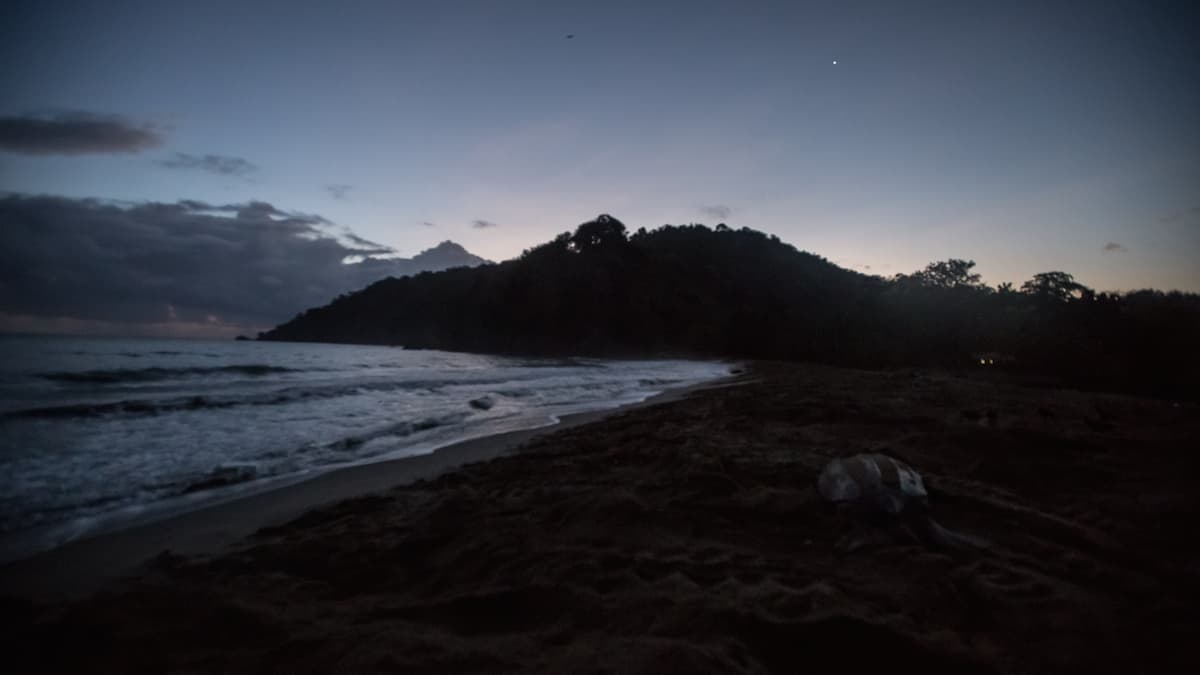
Photo: Jordan Beard · Grande Riviere, Trinidad (CC BY-SA 4.0)
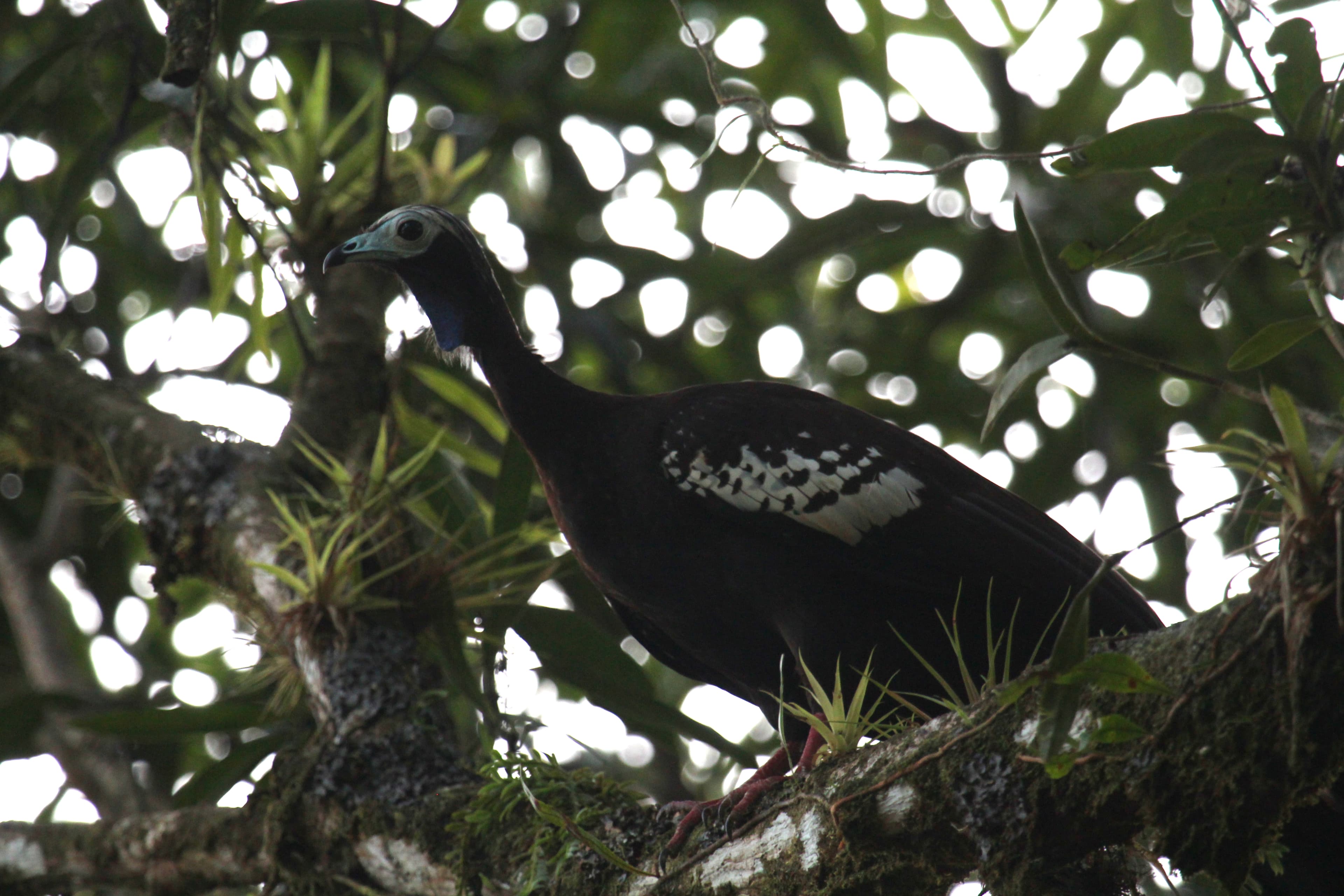
Matura National Park covers 9,000 hectares of montane rain forest and coastal habitat in northeast Trinidad, declared an Environmentally Sensitive Area under Legal Notice 323 of 2004. It holds one of the most important leatherback sea turtle nesting beaches in the world and the last viable population of the Critically Endangered Trinidad Piping-Guan.
Matura's forest zone encompasses 2,975 hectares of montane rain forest and evergreen seasonal forest, with a canopy reaching 40 metres and an elevation gradient from sea level to 580 metres. Over 200 tree species have been documented, along with eight endemic plant species. The Trinidad Piping-Guan, with a global population of 77 to 231 individuals, finds its highest encounter probability in Matura's relatively intact interior.
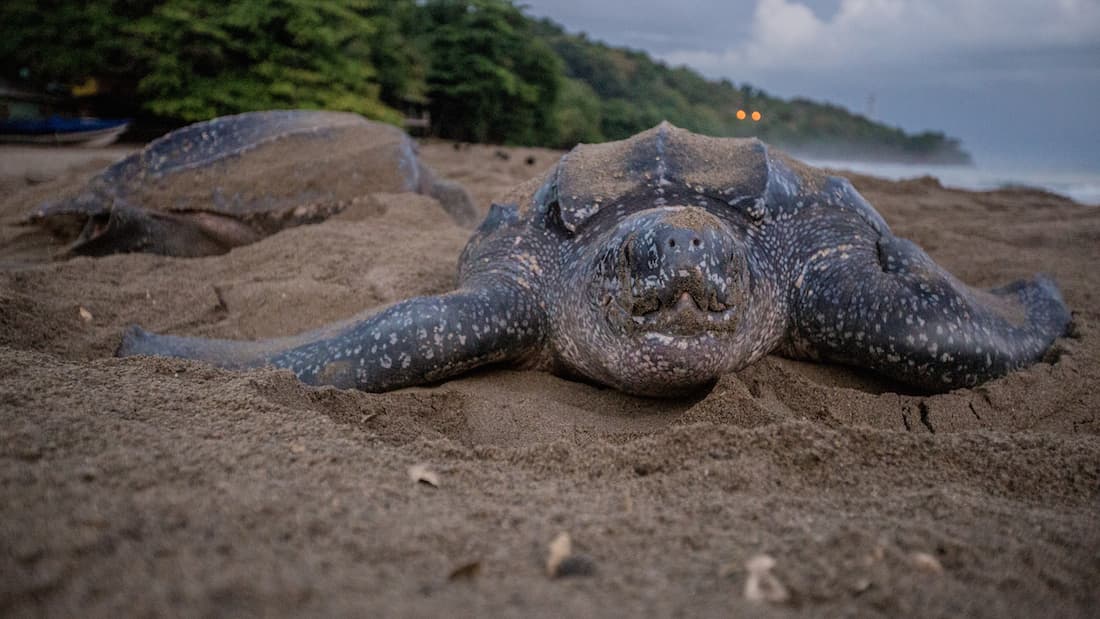
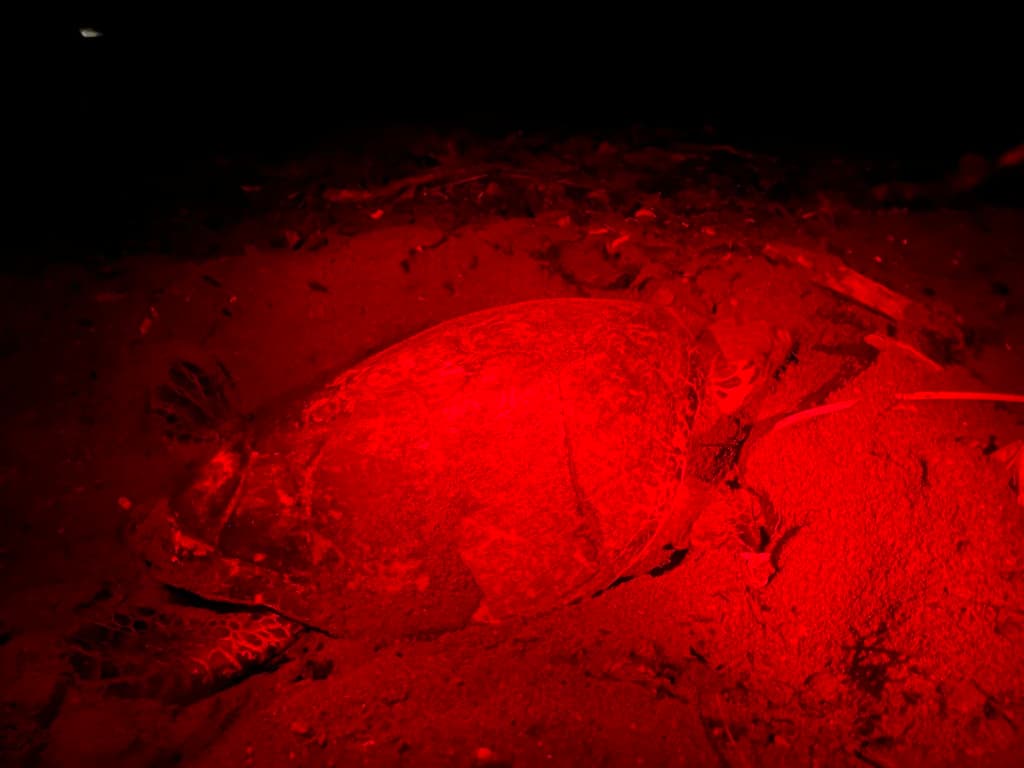
Matura Beach is one of the premier leatherback nesting aggregations in the Caribbean. The 8.8-kilometre beach recorded 5,219 nests in 2023 and a peak of 5,749 in 2017, though the nesting population is declining at an estimated 4.7 percent annually. Hawksbill turtles also nest here, with up to 400 individuals arriving on a single busy night during their season. Nature Seekers, a community NGO founded in 1990, co-manages the beach with the Forestry Division and has transformed local attitudes from poaching toward conservation, drawing 15,000 to 16,000 ecotourists per nesting season.
Despite its protections, the park faces serious pressure from an estimated 500 active hunters using the forest, poaching of sea turtles and terrestrial wildlife, squatting, and river pollution. Coastal lighting on and near the beach disorients nesting females and hatchlings. The combination of hunting pressure and habitat loss continues to threaten the long-term survival of the Piping-Guan and the leatherback population.
Why This Matters
Matura National Park is a place of two extraordinary stories running in parallel. The first is the forest: 2,975 hectares of montane rainforest reaching 40 metres in height, with over 200 tree species and a canopy so intact that it shelters the last viable population of the Trinidad Piping-Guan, a bird that exists nowhere else on Earth. The second is the beach: 8.8 kilometres of coastline where an average of more than 5,000 leatherback sea turtle nests are laid every year, making Matura Beach one of the most important leatherback nesting sites in the world. These two stories are not separate; they describe a single landscape that is doing something genuinely extraordinary, in a world where extraordinary natural places are becoming increasingly rare.
The ecological value of the forest alone is immense. The Northern Range forests intercept rainfall and feed rivers that supply water to communities across northeast Trinidad. The old-growth forest interior maintains the humidity, shade, and structural complexity that the Piping-Guan requires for foraging and breeding. Beyond the Pawi, Matura's forest shelters ocelots, howler monkeys, neotropical river otters, and a bird community so rich that research teams from the University of the West Indies have been studying it continuously since 2005. These are not peripheral species; they are evidence of a forest system that is still largely intact.
Nature Seekers' transformation of Matura from a site of nightly turtle poaching into an internationally recognised conservation success is one of the most compelling stories of community-driven conservation in the entire Caribbean. What they demonstrated is that protecting a natural place is not an abstraction; it creates jobs, builds pride, draws visitors from around the world, and makes the community stronger. That story is real, it is documented, and it is still happening. Matura National Park deserves the consistent protection and resourcing that makes stories like this possible.
Key Threats
- Hunting (500+ active hunters)
- Sea turtle poaching
- Squatting
- River pollution
- Coastal lighting disturbance
- Habitat loss